What happened
A vehicle or vehicle part failed
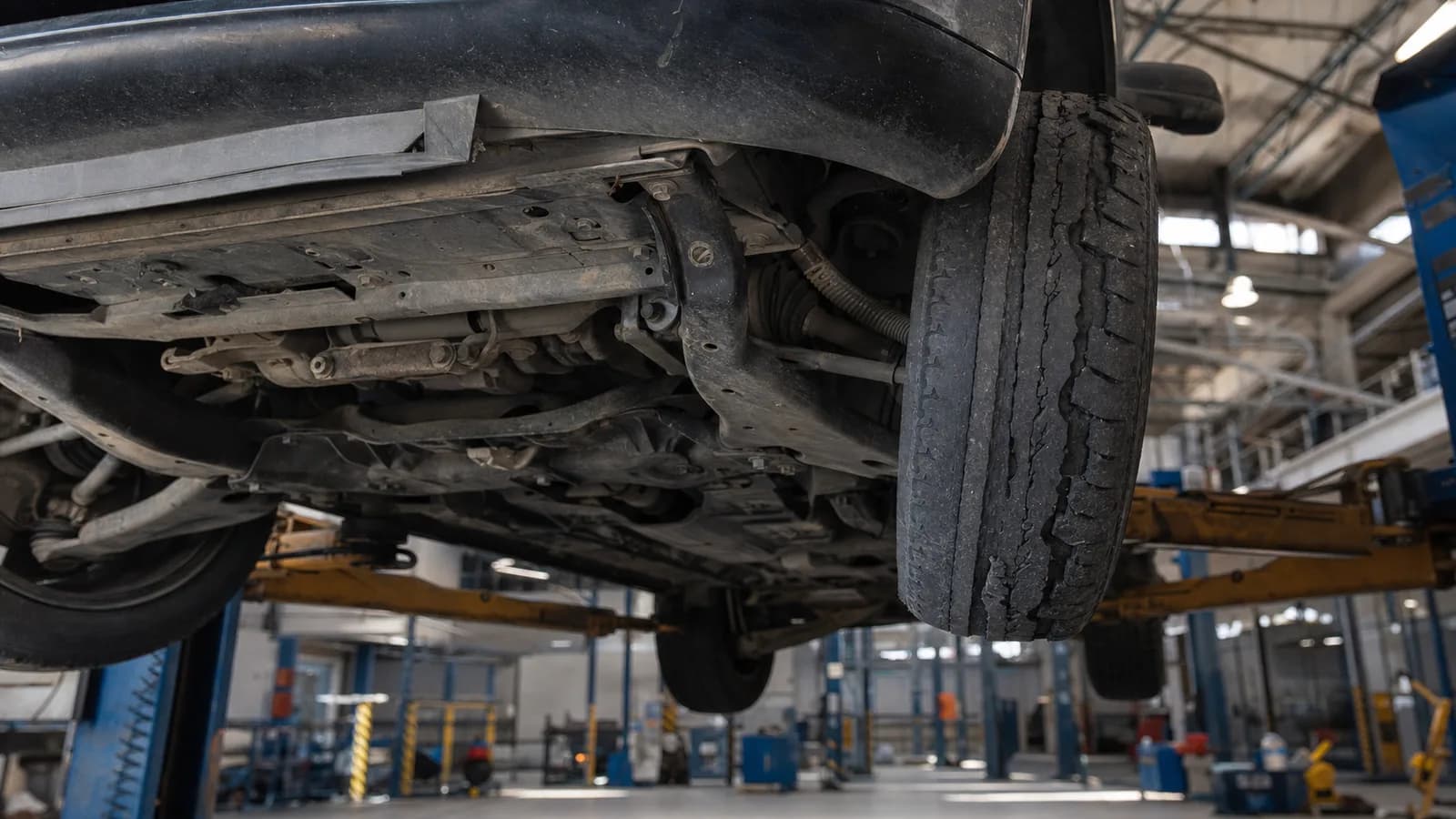
Auto defect cases split into two kinds, and the distinction matters. Either a defect caused the crash — a tire failure, a brake failure, a stuck accelerator — or the crash happened for ordinary reasons and a defect made the injuries far worse than they should have been.
That second category is called crashworthiness, and it's frequently missed. A manufacturer isn't liable for the collision, but it is responsible for whether the vehicle protected you the way it was supposed to.
Published July 27, 2026 · Last reviewed July 30, 2026
Defects that cause crashes
The recurring categories are well documented and heavily litigated.
- Tire tread separation and blowouts, particularly on older or aged tires
- Brake system failures, including ABS and master cylinder defects
- Steering and suspension component failures
- Unintended acceleration and throttle control defects
- Electrical faults causing stalling or loss of power
- Failures in driver assistance and automated systems
- Defective aftermarket parts and improper repairs
Crashworthiness — when the crash wasn't their fault but the injury was
A vehicle is required to protect occupants in a foreseeable collision. When it doesn't, the manufacturer is responsible for the enhanced injury even though someone else caused the crash.
The recurring theories: airbags that failed to deploy, deployed late, or deployed with excessive force; seatbelts that unlatched or allowed excessive excursion; seatbacks that collapsed rearward in a rear impact, which is particularly dangerous to a child seated behind; roof crush in a rollover; fuel system failures causing post-collision fire; and door latches that opened on impact.
This is the piece people miss, because they've accepted that the crash was someone else's fault and stop there. If your injuries seem disproportionate to the severity of the collision, that's the signal worth investigating.
Recalls and what's on the record
Check the vehicle and any component against the federal recall database using the VIN. Recalls are free to have performed and there's no time limit on getting most of them done.
Beyond recalls, there's a public record of consumer complaints, investigations, technical service bulletins, and manufacturer communications for most vehicles. A pattern of complaints about the same failure mode before your crash is significant evidence that the manufacturer knew.
Modern vehicles also carry an event data recorder that captures speed, braking, throttle, seatbelt status, and airbag deployment in the seconds around a crash. That data is objective, it's often decisive, and it's another reason the vehicle has to be preserved.
What tends to make a claim worth pursuing
None of these is a guarantee. They are the facts an attorney will look for first when deciding whether to take a case like yours.
- Your injuries are disproportionate to the severity of the crash
- An airbag failed to deploy, or deployed when it shouldn't have
- A seatback collapsed, or a seatbelt failed
- There was a fire after the collision
- A tire, brake, or steering component failed before impact
- The vehicle or component has been recalled or investigated
- The vehicle still exists and hasn't been repaired or salvaged
Questions
The insurance company already totaled my car.
Act immediately. Tell them in writing not to dispose of it and ask where it's being stored. Salvage yards hold vehicles for a period before crushing, and vehicles have been recovered — but it's a matter of days to weeks.
The crash was my fault. Does that end it?
Not for a crashworthiness claim. Who caused the collision is a separate question from whether the vehicle protected you as it should have. People at fault in their own crashes bring successful defect claims regularly.
There was a recall and I never had it done.
It's raised as a defense and it doesn't automatically defeat the claim, particularly where notice was inadequate or the remedy was ineffective. The recall itself also establishes that the manufacturer knew about the defect, which cuts against them.
Read next
Other situations
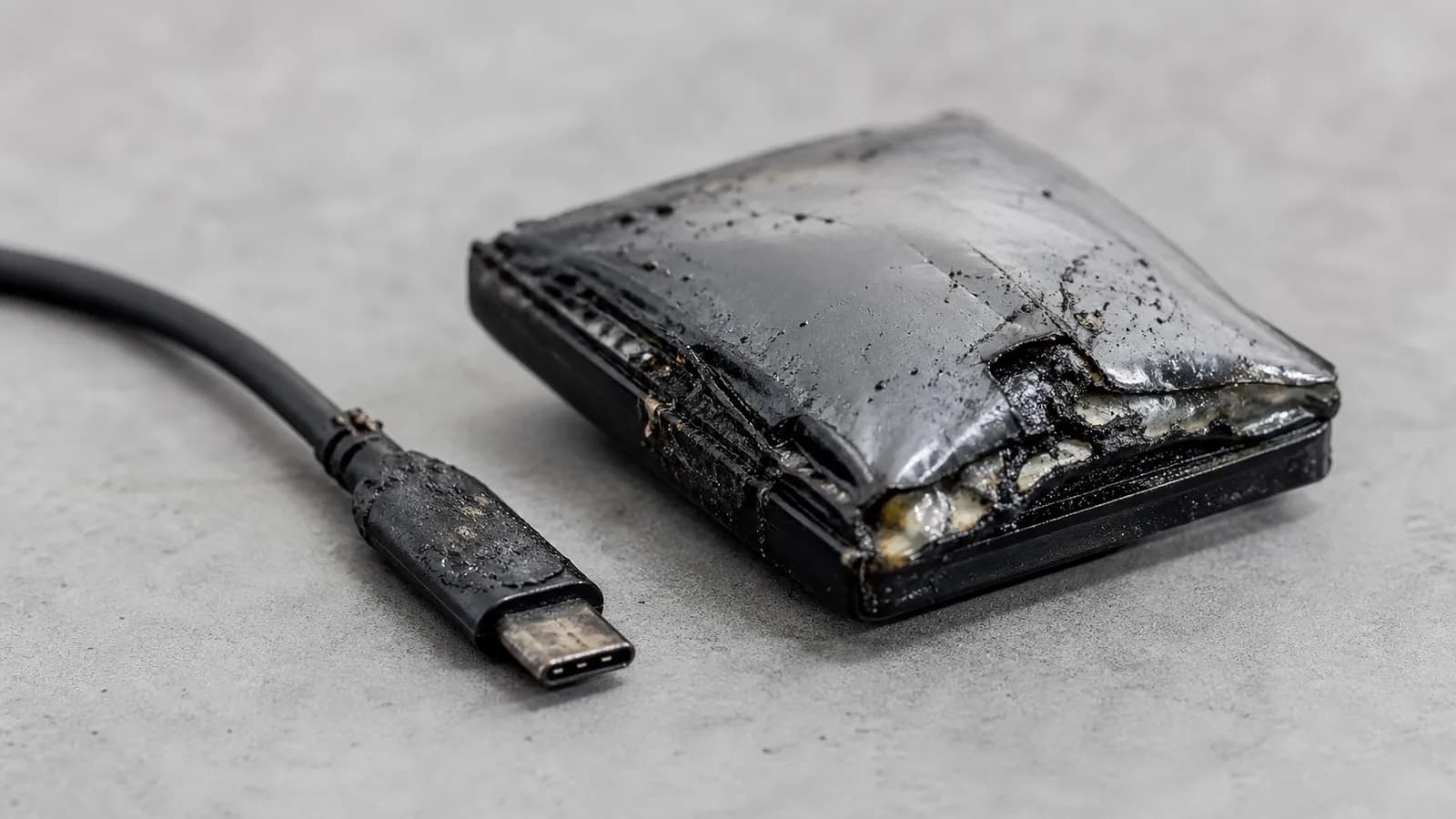
Something caught fire
Fire destroys its own evidence. Origin-and-cause investigation is urgent.
Read this
A child's product failed
Mandatory federal standards apply here. A violation is powerful evidence.
Read this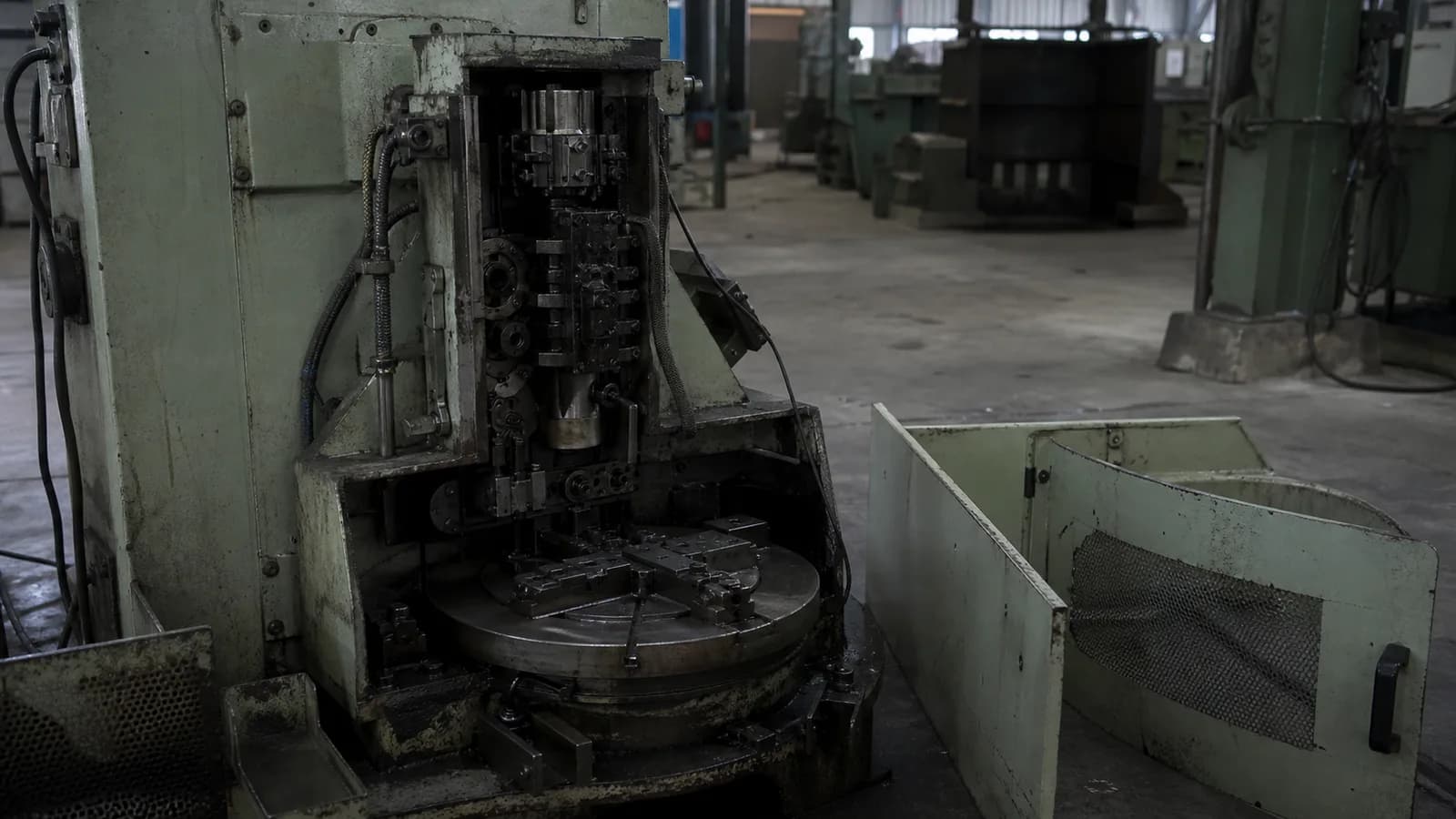
A tool or machine hurt me
At work, this is usually two claims — and the product one is the bigger one.
Read thisEvidence and research resources
See all resourcesEvidence checklist
The records, objects, photographs, and timelines worth preserving now.
Read thisPlain-language glossary
Medical, insurance, safety, and legal terms explained without the jargon.
Read thisOfficial sources
The government, court, safety, and medical sources used to check this site.
Read thisHave a lawyer look at this
A free review tells you whether the facts you have are the facts that matter. No cost, and no obligation to hire anyone.
Free · No obligation · About 90 seconds