Guide
Two clocks, and the second one is unusual
Product liability has a deadline structure most people have never encountered: one clock that starts when you're hurt, and a second that started when the product was sold and may already have run out.
Published July 27, 2026 · Last reviewed July 30, 2026
The statute of limitations
The ordinary personal injury deadline, commonly two years, running from the date of injury. Some states apply a discovery rule where a defect-caused injury wasn't immediately apparent — relevant to toxic exposure and latent conditions, less so to a fire or a machine failure.
The statute of repose
This is the unusual one. Some states cut off product claims a fixed number of years after the product was first sold or delivered — regardless of when the injury happened. Where one applies, a machine sold twenty years ago may be beyond claim even if it injured you yesterday.
Periods vary widely and many states have none. Where they exist, exceptions are common: for products with a longer expected useful life, for express warranties extending beyond the period, for post-sale failures to warn, and for products that were rebuilt or remanufactured — which can restart the clock against whoever rebuilt it.
Practically: if the product is old, don't conclude the claim is dead. Find out the sale date and check your state's rule.
Other deadlines worth knowing
Several situations shorten or complicate the analysis.
- Breach of warranty claims may run under the commercial code rather than tort law, sometimes from the date of sale rather than injury
- Government entities require a formal notice of claim within a short administrative window where the product was supplied or operated by one
- Wrongful death deadlines are often shorter and run from the date of death
- Deadlines for minors are typically tolled, but the product won't wait
- Some medical device claims are affected by federal preemption, which changes what's available rather than when
The evidence clock, again
The legal deadlines are usually years out. The product gets thrown away in weeks, the scene gets cleared in days, and the vehicle gets crushed in a month. In this category more than any other, the practical deadline is far shorter than the legal one.
Questions
The product is fifteen years old. Is it too late?
Depends entirely on your state. Many have no statute of repose at all, and among those that do, periods and exceptions vary. Get the sale date and have the specific rule checked rather than assuming.
I didn't realize the product caused it until later.
The discovery rule may apply, particularly where the causal connection genuinely wasn't apparent. It's fact-specific and worth having reviewed rather than deciding yourself.
Does making a warranty claim extend the deadline?
No. Dealing with a manufacturer's customer service or warranty process does not toll a statute of limitations, and companies are under no obligation to warn you it's running. Warranty processes routinely consume months.
Situations this applies to
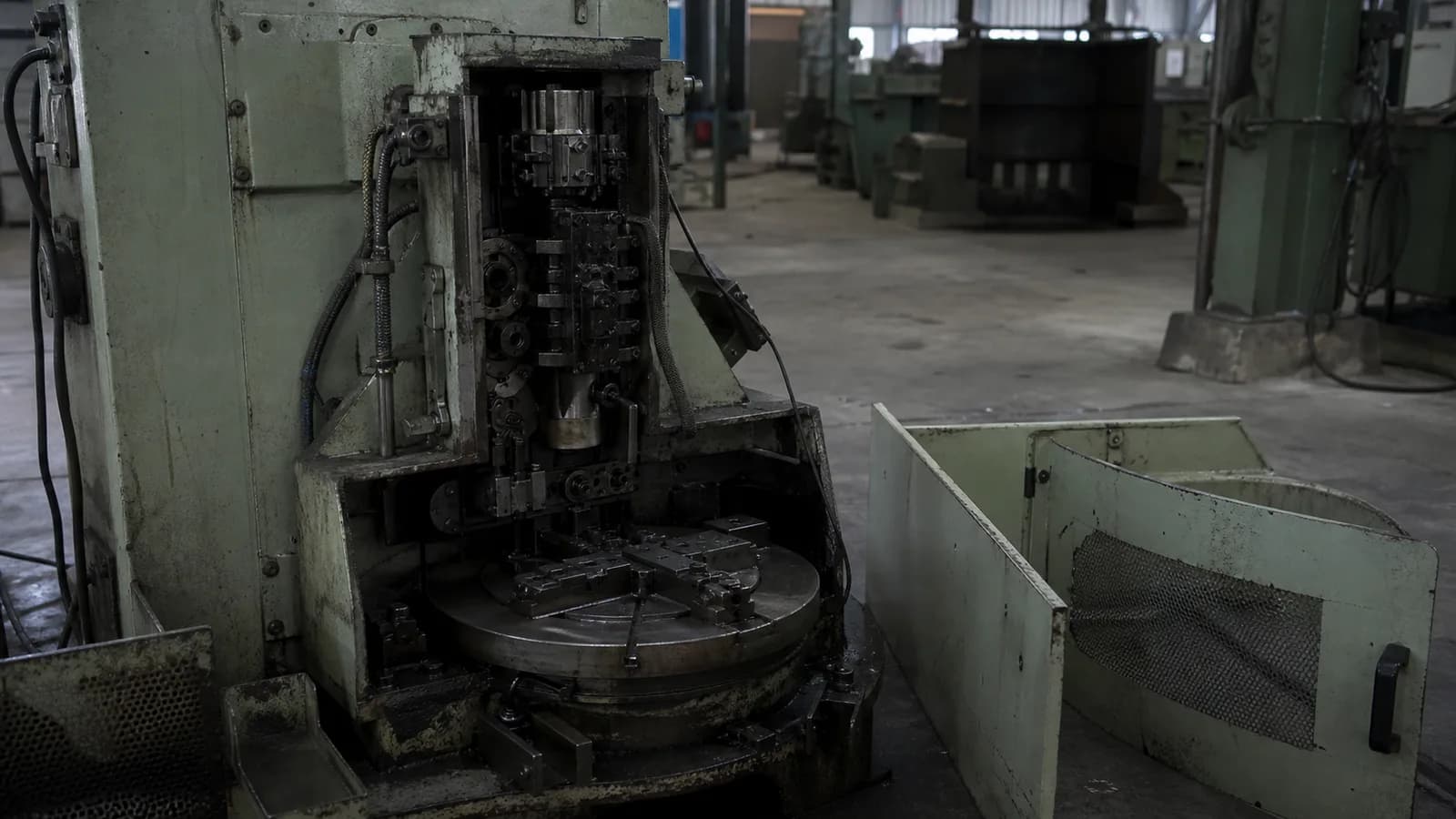
A tool or machine hurt me
At work, this is usually two claims — and the product one is the bigger one.
Read this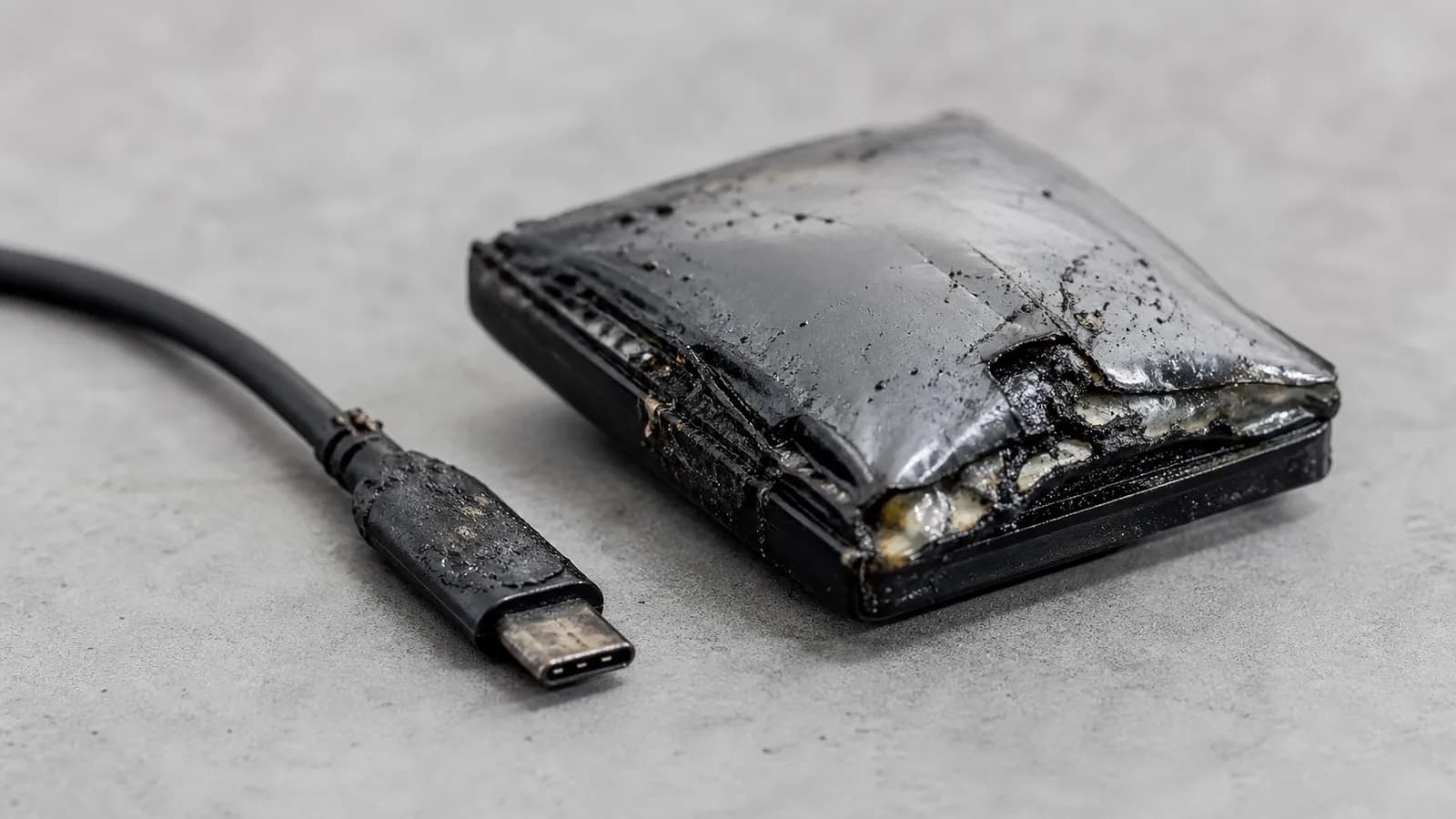
Something caught fire
Fire destroys its own evidence. Origin-and-cause investigation is urgent.
Read this
A vehicle part failed
The crash is one claim. The defect that made it worse is a separate, bigger one.
Read this
A child's product failed
Mandatory federal standards apply here. A violation is powerful evidence.
Read thisRelated guides
Evidence and research resources
See all resourcesEvidence checklist
The records, objects, photographs, and timelines worth preserving now.
Read thisPlain-language glossary
Medical, insurance, safety, and legal terms explained without the jargon.
Read thisOfficial sources
The government, court, safety, and medical sources used to check this site.
Read thisGet a straight answer about your case
Reading only gets you so far. A free review puts your actual facts in front of an attorney who handles these claims.
Free · No obligation · About 90 seconds