What happened
A product caught fire
Fire cases have a structural problem: the thing that proves the case is the thing that burned. What survives is usually enough — but only if it's collected before the scene is cleared.
Published July 27, 2026 · Last reviewed July 30, 2026
Lithium battery failures
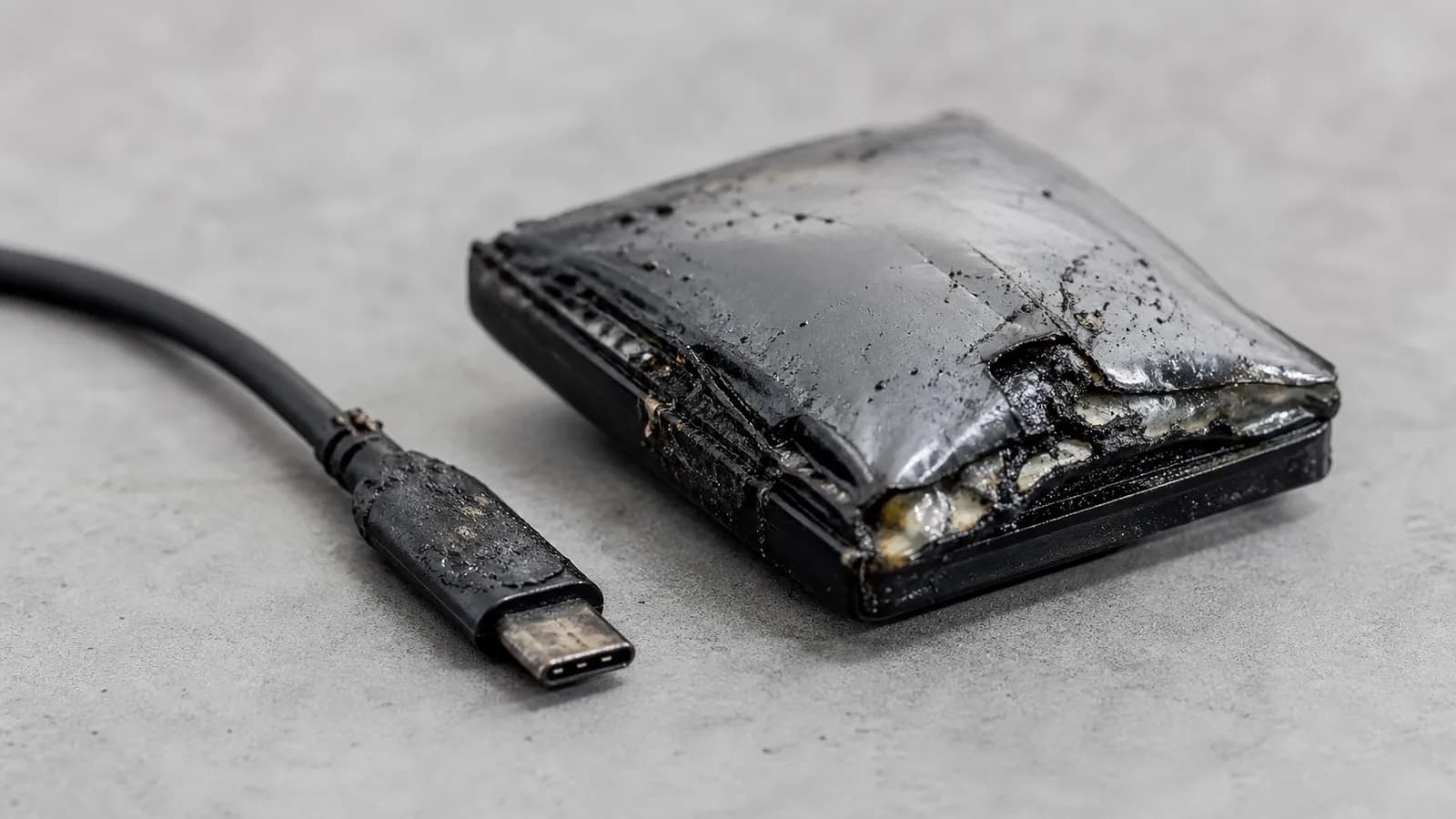
Lithium-ion cells fail through thermal runaway — an internal short causes a cell to heat, which causes neighboring cells to heat, and the reaction accelerates until the pack vents and ignites. It's fast, extremely hot, and difficult to extinguish.
The recurring products are well known: e-bikes and e-scooters, hoverboards, vape devices, power tool packs, phones and laptops, and portable chargers. Aftermarket and uncertified replacement batteries and chargers are heavily overrepresented, as are cells sold through online marketplaces with no meaningful safety certification.
Defect theories in these cases usually include manufacturing flaws in the cell, absent or inadequate battery management systems that should have prevented overcharge, and failure to warn about charging practices. Where a marketplace platform sold it, whether the platform itself can be held liable is an evolving question that varies by state and is worth asking about.
Appliances and electrical products
Dishwashers, dryers, refrigerators, space heaters, air fryers, pressure cookers, extension cords, power strips, and smart plugs all appear repeatedly in fire litigation.
The common failure modes are recognizable to investigators: a failed thermostat or thermal cutoff, arcing at a connection, inadequate strain relief on a cord, a control board failure, and materials that weren't adequately flame-rated. Several of these product categories have extensive recall histories, and a prior recall on a similar model is powerful evidence.
Get an origin-and-cause investigation
This is the urgent step. A qualified fire investigator examines the scene to determine where the fire started and what started it — work that has to happen before the scene is cleared, repairs begin, or debris is removed.
Your homeowners or renters insurer will conduct its own investigation, and that's genuinely useful. Their interest overlaps with yours: if a product caused the fire, they want to recover what they paid out from the manufacturer through subrogation. Ask for their investigator's report and cooperate with it.
What you should not do is let anyone remove the appliance or debris. Insurers, landlords, and manufacturers all have reasons to take custody of it, and evidence that leaves under someone else's control is evidence you no longer have.
What to preserve
In a fire, more survives than people expect.
- The product itself and every fragment, however burned
- The battery pack or cells, handled carefully
- The charger, cord, and any adapter — often the actual failure point
- The model and serial number, if legible anywhere
- The receipt, order record, or card statement
- The packaging and manual
- Photographs of the scene before anything is moved
- The fire department's report and the investigator's findings
What tends to make a claim worth pursuing
None of these is a guarantee. They are the facts an attorney will look for first when deciding whether to take a case like yours.
- The fire department or an investigator identified the product as the origin
- You still have the product, battery, or charger
- The product or a similar model has been recalled
- You have proof of purchase and the model number
- Your insurer is investigating for subrogation
- You were injured, beyond the damage to your property
Questions
The manufacturer offered a settlement and wants the product back.
Don't send it. An early offer before any investigation is priced on the assumption that no investigation will happen — and once the product is gone, it usually can't. If you're genuinely inclined to accept, have the offer and the release reviewed first.
My insurance already paid for the damage. Is the claim over?
Not for your injuries. Your insurer's payment covers property loss and gives them a subrogation right against the manufacturer, but personal injury claims are yours and separate. Their investigation frequently helps your case.
The battery was a cheap replacement, not the original.
That's a defense argument and not necessarily a fatal one. The claim may shift toward the replacement's manufacturer or the platform that sold it, and questions remain about whether the original product should have prevented an unsafe pack from being used. Aftermarket battery cases are pursued regularly.
Read next
Other situations
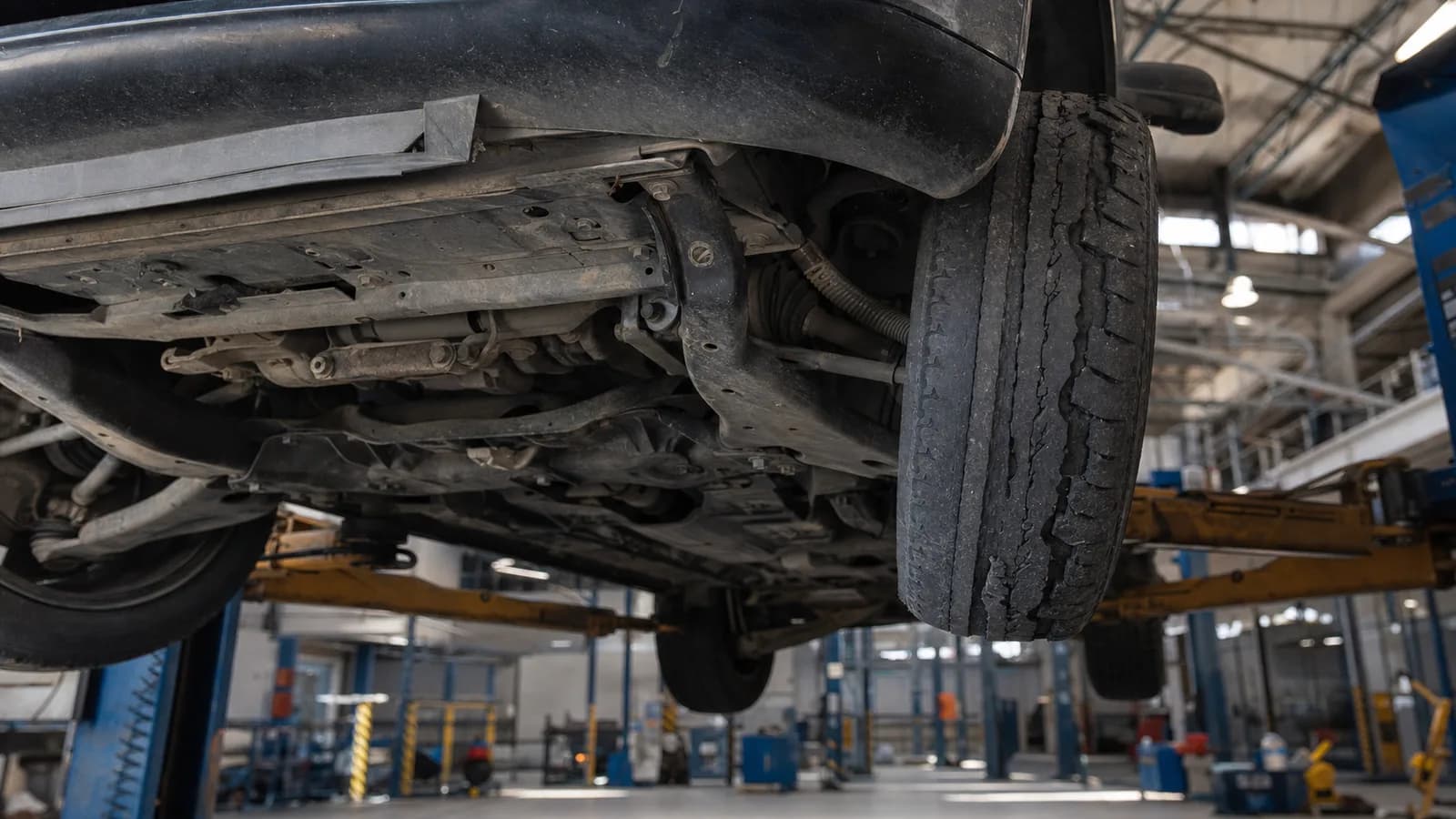
A vehicle part failed
The crash is one claim. The defect that made it worse is a separate, bigger one.
Read this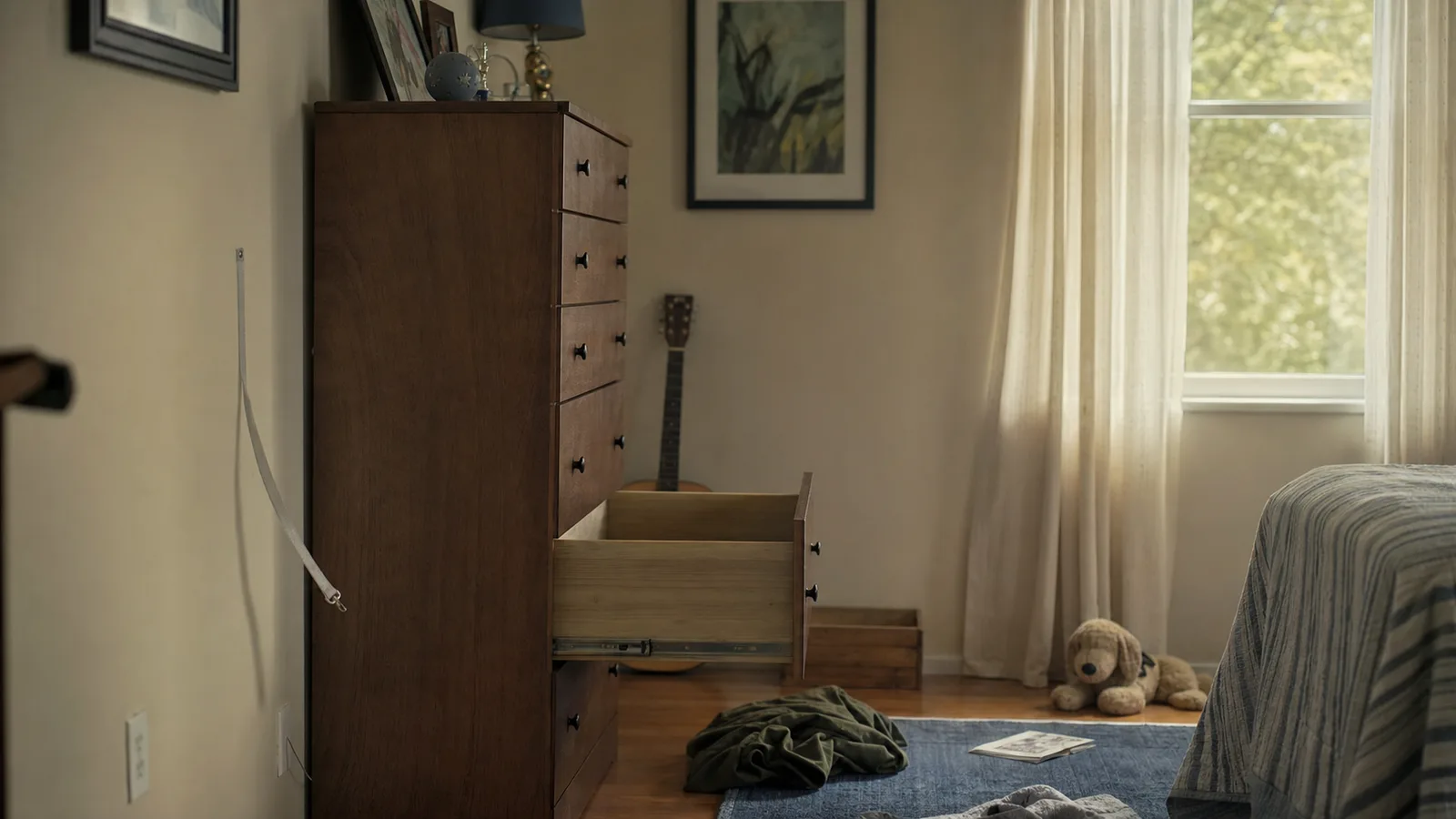
A child's product failed
Mandatory federal standards apply here. A violation is powerful evidence.
Read this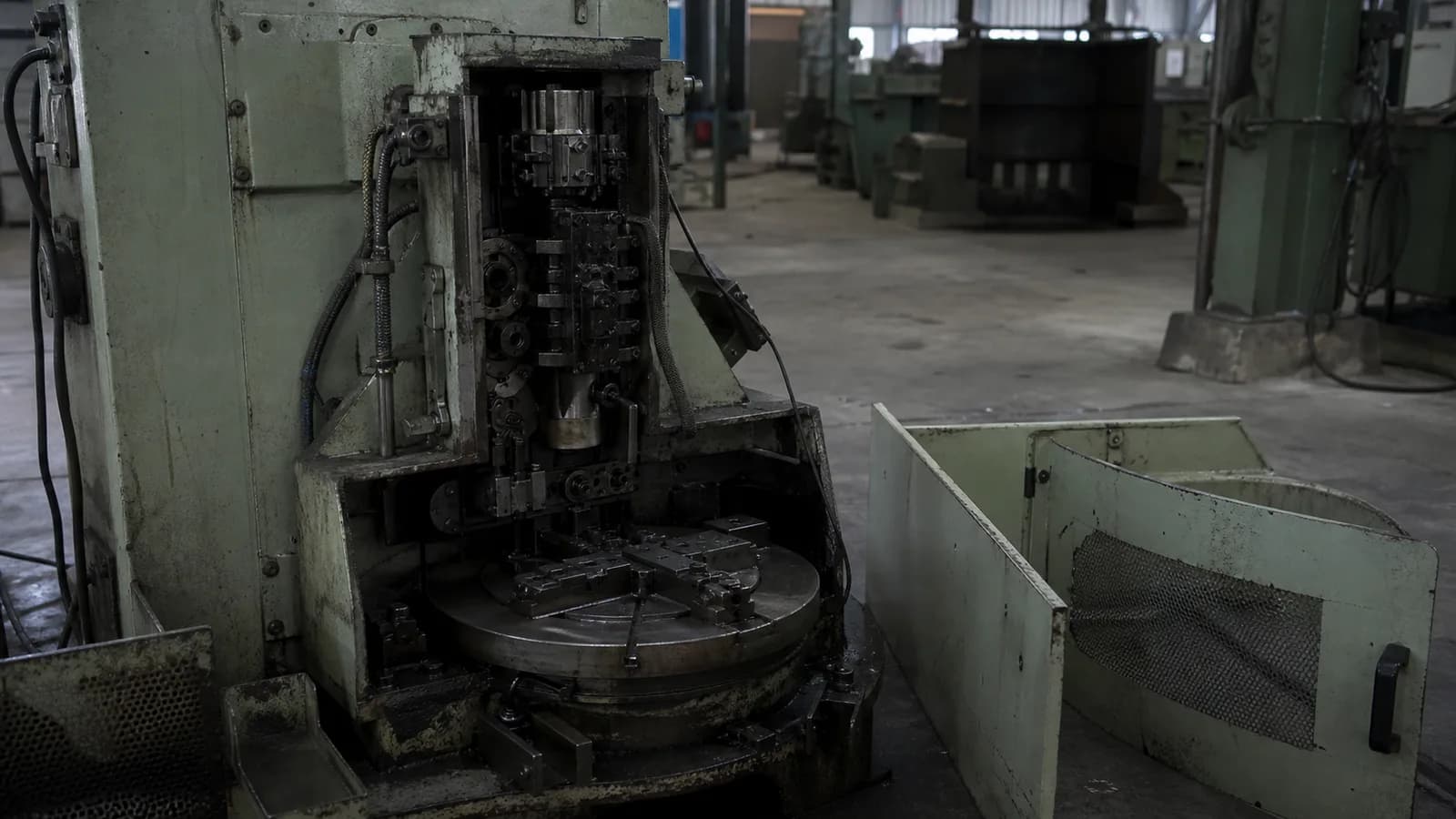
A tool or machine hurt me
At work, this is usually two claims — and the product one is the bigger one.
Read thisEvidence and research resources
See all resourcesEvidence checklist
The records, objects, photographs, and timelines worth preserving now.
Read thisPlain-language glossary
Medical, insurance, safety, and legal terms explained without the jargon.
Read thisOfficial sources
The government, court, safety, and medical sources used to check this site.
Read thisHave a lawyer look at this
A free review tells you whether the facts you have are the facts that matter. No cost, and no obligation to hire anyone.
Free · No obligation · About 90 seconds