Guide
What a recall does and doesn't mean
Recalls get misunderstood in both directions. People assume a recall means their claim is automatic, and they assume the absence of one means they have nothing. Neither is right.
Published July 27, 2026 · Last reviewed July 30, 2026
Where to check
Jurisdiction is split across several agencies, so check more than one.
- CPSC — consumer products, children's products, appliances, furniture, and recreational equipment
- NHTSA — vehicles, tires, car seats, and vehicle equipment, searchable by VIN
- FDA — drugs, medical devices, cosmetics, and most food
- USDA FSIS — meat, poultry, and processed egg products
- The manufacturer's own support site, which sometimes posts service actions that never became formal recalls
What a recall gives you
Meaningful evidence, though not a decided case. A recall establishes that a defect exists, that the manufacturer identified it, and usually specifies which units and date ranges are affected. Recall notices frequently include the number of incidents and injuries already reported, which speaks to what the company knew and when.
It also creates a documentary trail — the company's report to the agency, its internal timeline, and the agency's correspondence — that becomes discoverable.
What it doesn't mean
Recalls are typically issued without any admission of liability, and companies often frame them as precautionary. That framing doesn't prevent the underlying facts from being used.
More importantly, the absence of a recall proves nothing. Most defective products are never recalled. Recalls depend on the manufacturer reporting, an agency investigating, and a threshold of incidents being reached — and agencies are chronically under-resourced relative to the volume of products in the market. Plenty of successful product cases involve products that were never recalled.
The complaint databases are the underused resource
Beyond recalls, several agencies publish consumer complaint data. Vehicle complaints, investigations, and technical service bulletins are public and searchable. So is CPSC's incident database for consumer products.
A pattern of complaints describing exactly your failure mode, filed before your injury, is powerful — it establishes the manufacturer had notice and did nothing. Search these before assuming your incident was unique.
Questions
The recall came out after I was hurt. Does that help?
Yes, considerably. It confirms the defect existed in units already sold, including yours, and the notice usually documents the incident history that prompted it — which frequently shows the company knew well before it acted.
I got the recall remedy. Did I waive my injury claim?
Accepting a repair, replacement, or refund does not normally waive a personal injury claim. What matters is whether you signed a release. If a document accompanied it, have it read before assuming either way.
There's no recall for my product.
Most defective products are never recalled. Check the complaint databases for the same failure mode, and note that a defect claim depends on the product being defective — not on an agency having acted.
Situations this applies to
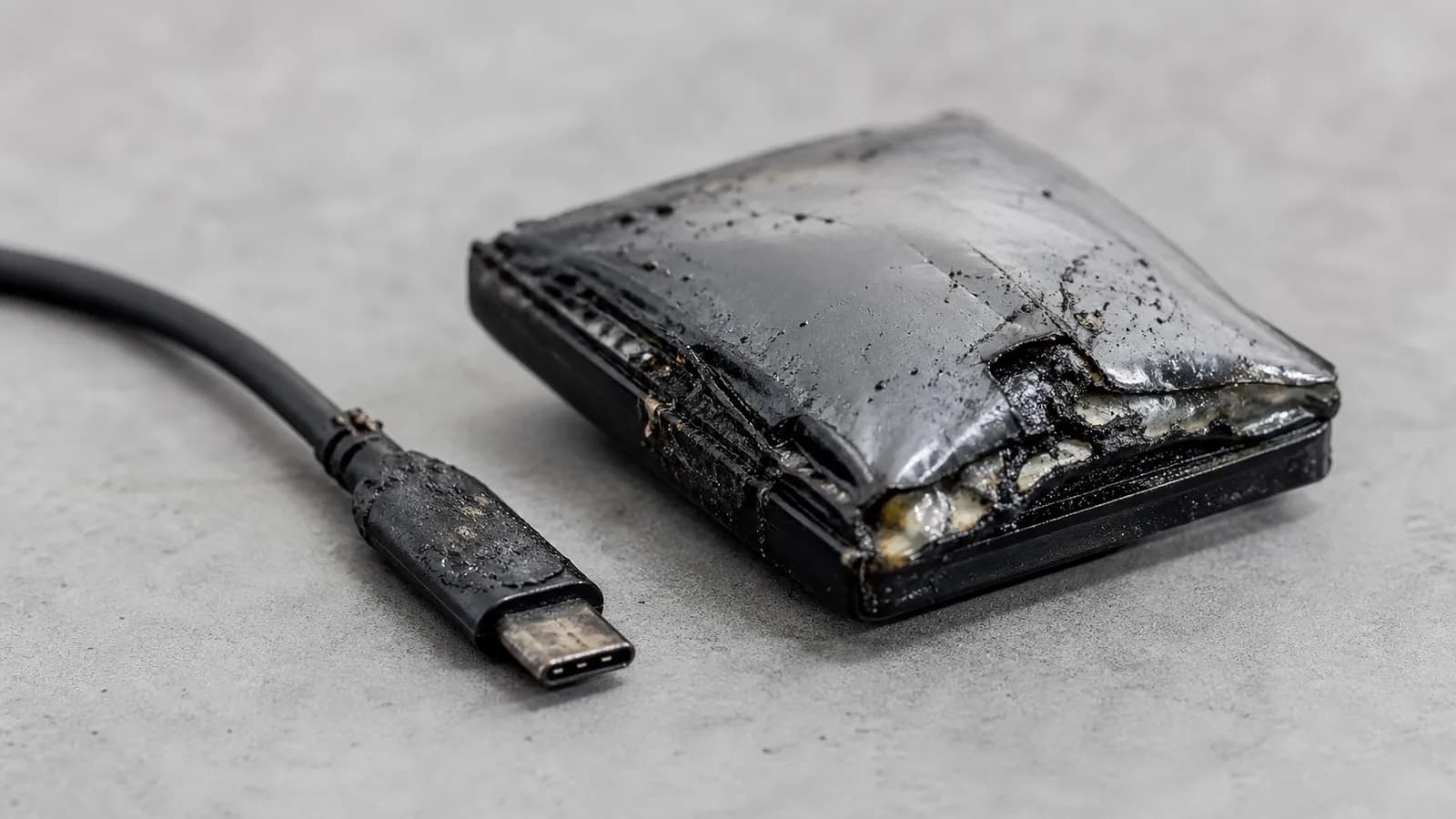
Something caught fire
Fire destroys its own evidence. Origin-and-cause investigation is urgent.
Read this
A vehicle part failed
The crash is one claim. The defect that made it worse is a separate, bigger one.
Read this
A child's product failed
Mandatory federal standards apply here. A violation is powerful evidence.
Read this
A tool or machine hurt me
At work, this is usually two claims — and the product one is the bigger one.
Read thisRelated guides
Preserving the product
Why the manufacturer wants it back, and what happens if you send it.
Read thisThe three kinds of defect
Three theories, proven three different ways. Which you have shapes everything.
Read thisDeadlines and repose
A statute of repose can bar a claim before the injury even occurred.
Read thisEvidence and research resources
See all resourcesEvidence checklist
The records, objects, photographs, and timelines worth preserving now.
Read thisPlain-language glossary
Medical, insurance, safety, and legal terms explained without the jargon.
Read thisOfficial sources
The government, court, safety, and medical sources used to check this site.
Read thisGet a straight answer about your case
Reading only gets you so far. A free review puts your actual facts in front of an attorney who handles these claims.
Free · No obligation · About 90 seconds