Guide
Preserve the product. Everything else is secondary.
If you take one thing from this site: do not give the product to anyone. Not the manufacturer, not the retailer, not your landlord, not your employer, and not an insurance adjuster.
Published July 27, 2026 · Last reviewed July 30, 2026
Why they ask, and why the request is reasonable-sounding
The manufacturer will offer a refund, a replacement, and a prepaid label so they can investigate. Once the product leaves your possession you lose control of how it is examined and whether it comes back intact. Any legitimate examination can happen under an agreed protocol with both sides present.
The request always arrives in good faith language. They want to investigate. They want to make sure it doesn't happen to anyone else. They'll send a prepaid label, a refund, and a replacement.
Some of that is genuine — companies do investigate failures. But once the product is in their possession, you have no control over how it's examined, whether it's disassembled, whether it's tested destructively, or what happens to it afterward. Products sent for investigation are frequently returned in pieces, or not returned.
You do not need to send it for them to investigate. Any legitimate examination can be arranged under a joint protocol, with both sides' experts present and the process documented. A company that refuses to examine it on those terms is telling you something.
Spoliation cuts both ways
Spoliation is the loss or destruction of evidence a party knew or should have known was relevant to a claim. If you lose the product after you knew a claim existed, a court can penalize you — by instructing a jury to assume it would have been unfavorable, by excluding your expert's testimony, or in bad cases by dismissing the claim.
It applies to defendants too. If you put a manufacturer or retailer on written notice to preserve records, testing data, and other units, and they destroy them, the same penalties are available against them. Which is why a preservation letter early in a product case is standard practice and worth sending.
What to preserve, specifically
More than people expect, and stored deliberately rather than in a garage where it gets moved.
- The product, in exactly the condition it was in after the failure. Don't clean it, repair it, or take it apart
- Every fragment, including anything that broke off
- The packaging, manual, warnings, inserts, and any warranty card
- The receipt, order confirmation, or card statement
- The model number, serial number, lot code, and date of manufacture — photograph the label
- Batteries, chargers, cords, adapters, and any accessory involved
- Photographs of the product and the scene from every angle, before anything is moved
- Any related communication with the manufacturer or retailer, including chat logs
How to store it
Somewhere dry, secure, and undisturbed, where it won't be thrown out by someone else. Photograph it as stored, note the date, and keep a simple record of everyone who has handled it since the injury — that's chain of custody, and it forecloses an argument about whether the item examined is the item that failed.
If it's too large to store, or it's at a workplace, document it thoroughly in place and get written confirmation from whoever controls it that it will be preserved.
Questions
I already sent it back. Is the case over?
It's much harder, not necessarily over. Formal legal process can require the manufacturer to produce it and account for its condition. Photographs, the model and lot number, other units from the same run, recall history, and prior complaints all still exist. Say what happened up front — it changes strategy, not viability.
The retailer took it when I complained.
Ask for it back in writing immediately, and ask them in writing to preserve it if they won't return it. Retailers frequently return failed products to the manufacturer or destroy them on a schedule, so the letter needs to go quickly.
Can I have my own expert look at it first?
Yes, and non-destructive examination is fine. What you should avoid is destructive testing — cutting, disassembly, or anything that alters the item — without a protocol agreed with the other side. Unilateral destructive testing creates its own spoliation problem.
Situations this applies to
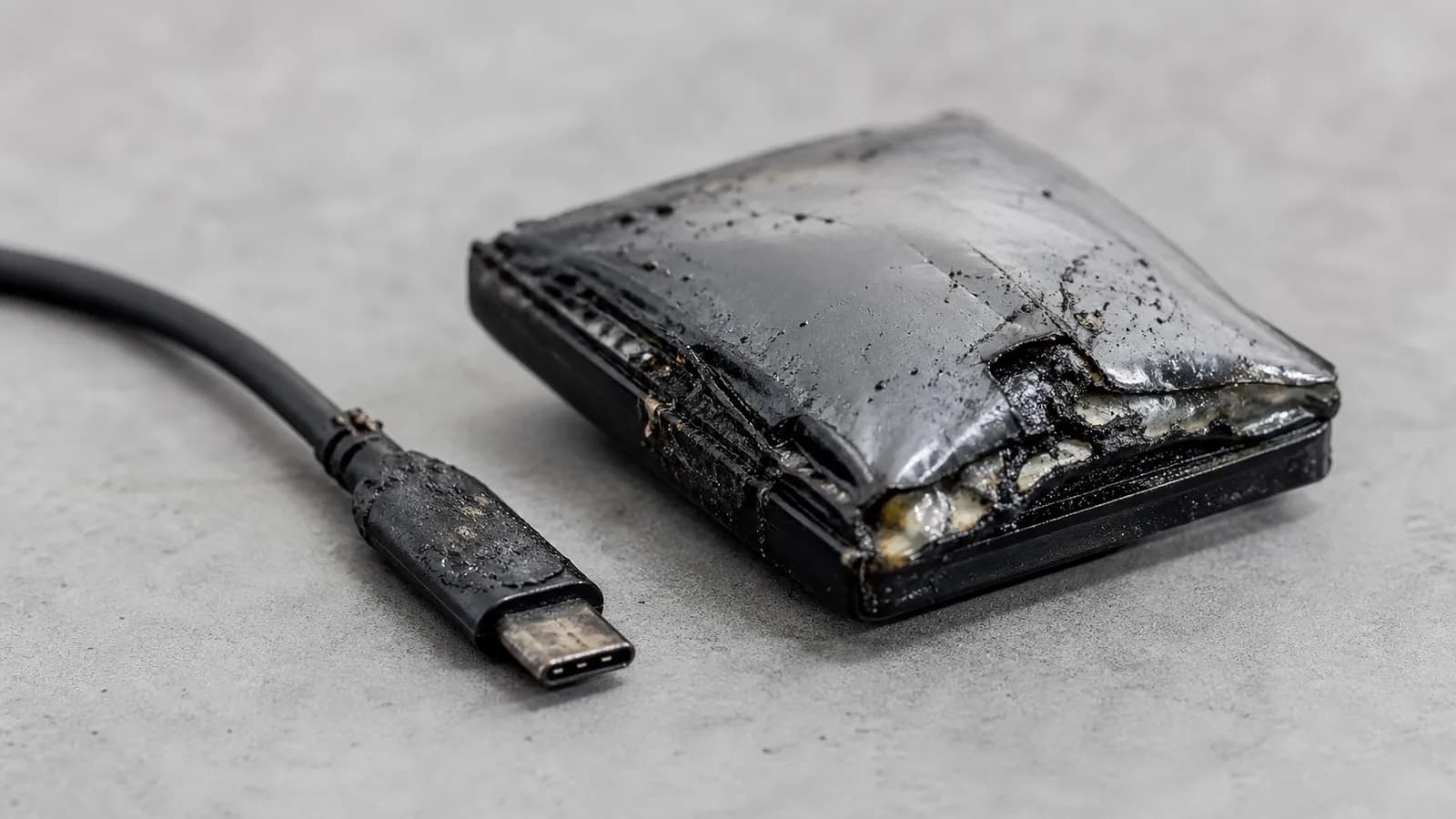
Something caught fire
Fire destroys its own evidence. Origin-and-cause investigation is urgent.
Read this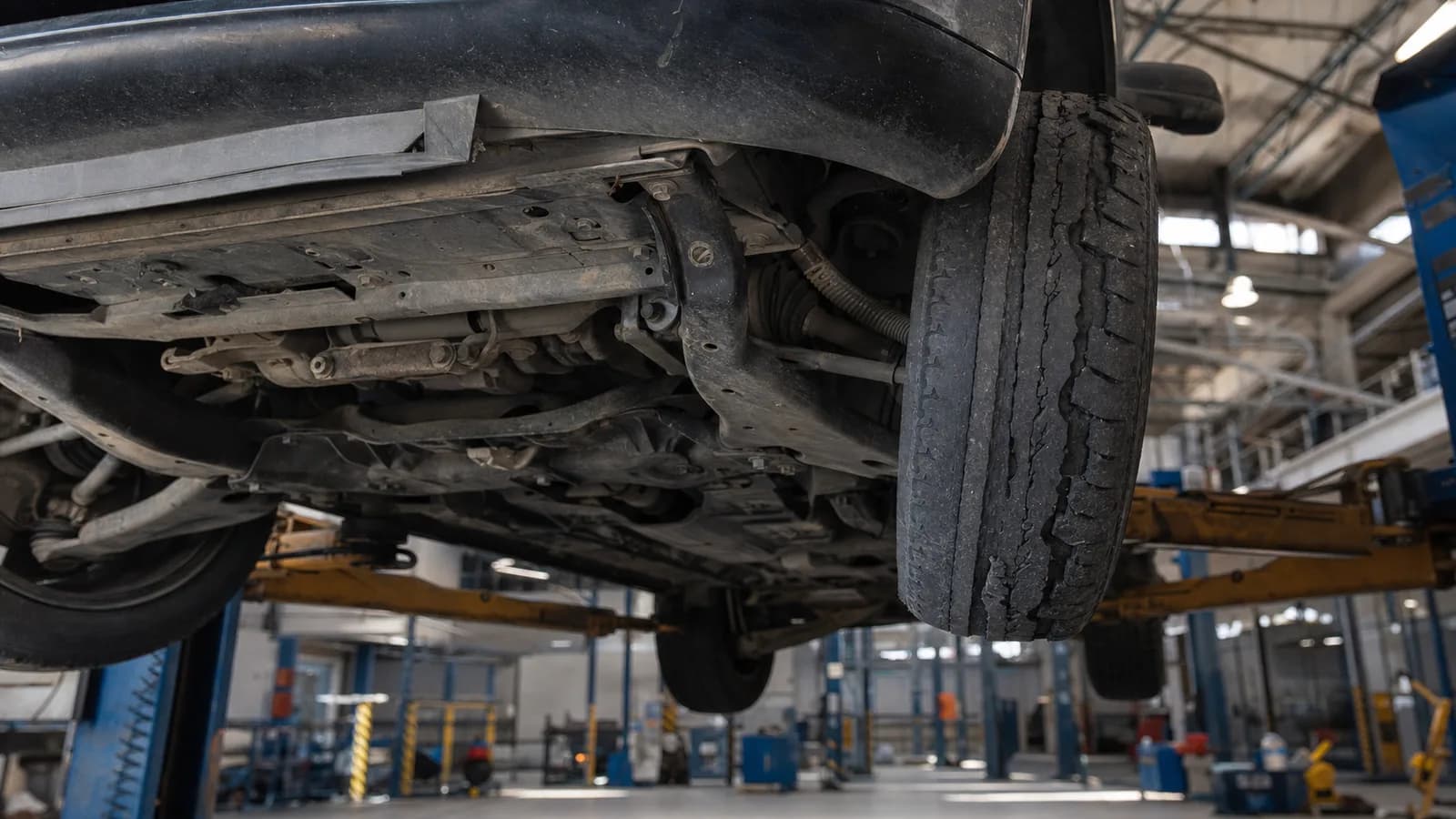
A vehicle part failed
The crash is one claim. The defect that made it worse is a separate, bigger one.
Read this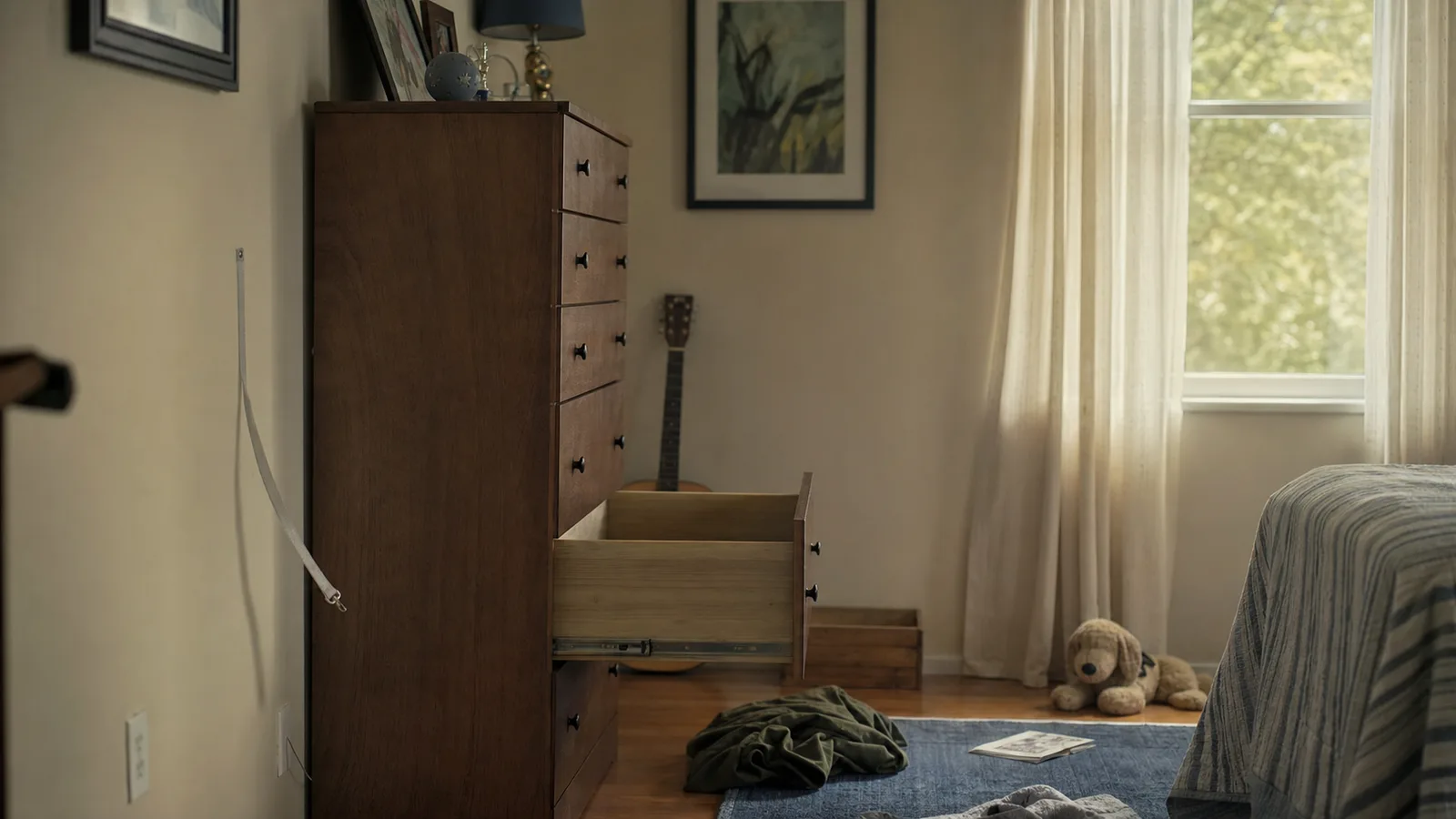
A child's product failed
Mandatory federal standards apply here. A violation is powerful evidence.
Read this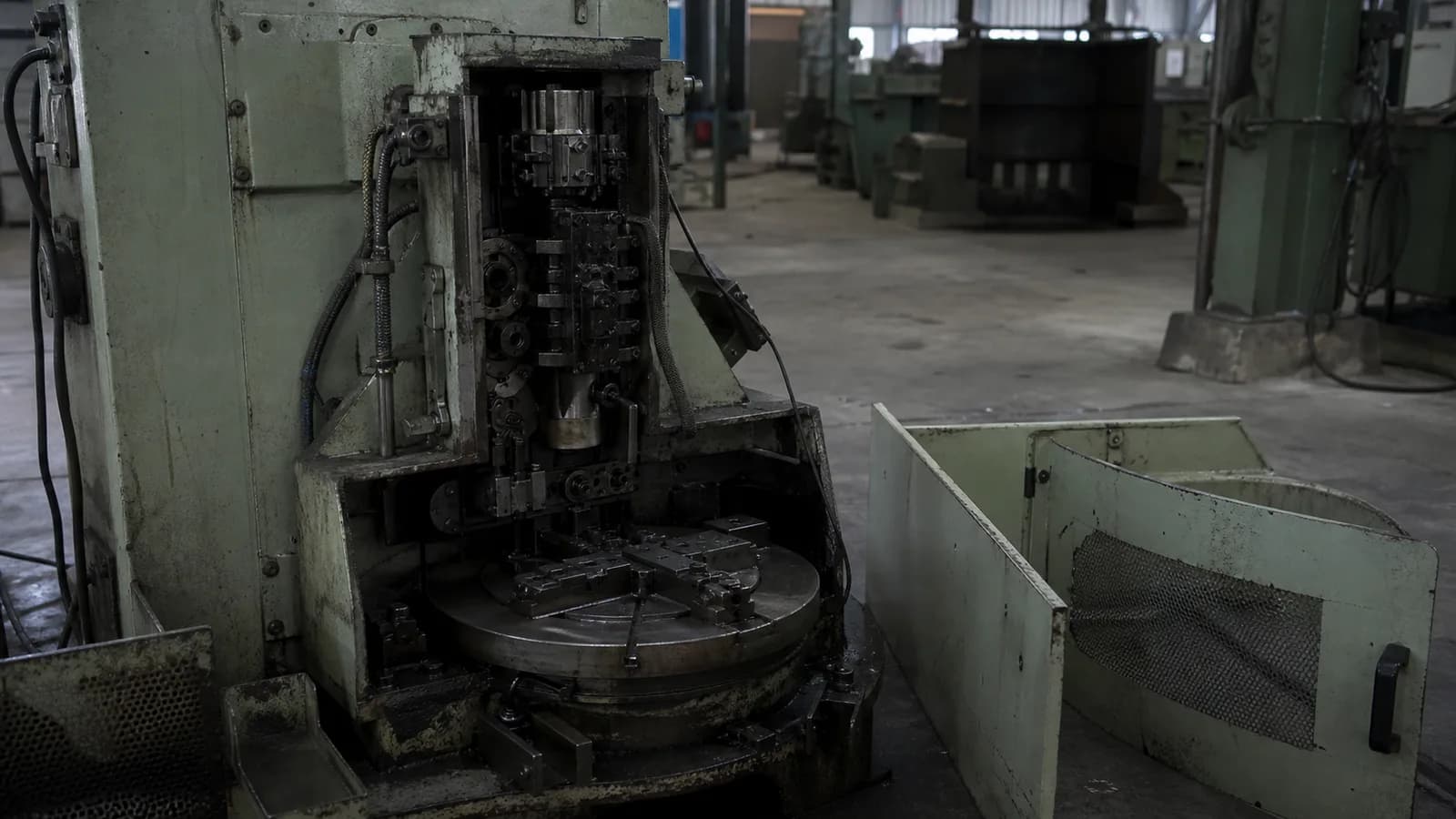
A tool or machine hurt me
At work, this is usually two claims — and the product one is the bigger one.
Read thisRelated guides
Evidence and research resources
See all resourcesEvidence checklist
The records, objects, photographs, and timelines worth preserving now.
Read thisPlain-language glossary
Medical, insurance, safety, and legal terms explained without the jargon.
Read thisOfficial sources
The government, court, safety, and medical sources used to check this site.
Read thisGet a straight answer about your case
Reading only gets you so far. A free review puts your actual facts in front of an attorney who handles these claims.
Free · No obligation · About 90 seconds