What happened
A tool or machine injured you
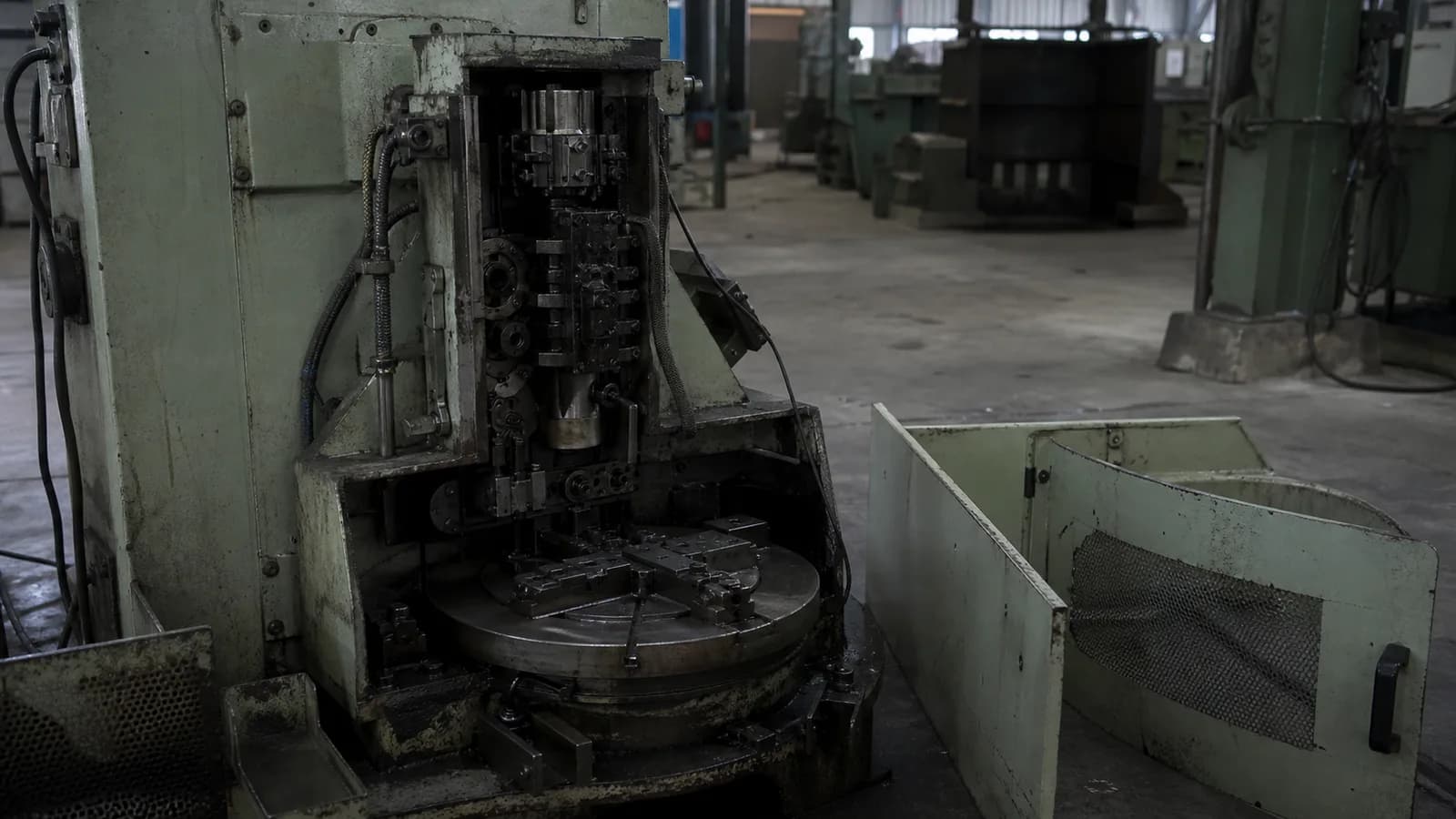
Machinery and power tool injuries are severe by nature — amputations, crush injuries, degloving, eye injuries — and when they happen at work, most people file for workers' compensation and stop.
That's the mistake. The comp bar protects your employer. It does nothing for the manufacturer of the machine, and the product claim is usually worth a great deal more.
Published July 27, 2026 · Last reviewed July 30, 2026
The core theories
Machine cases are mostly design defect cases, and the arguments are consistent across product types.
- A missing guard, or a guard that was inadequate for the foreseeable hazard
- An interlock or safety device that was easy to defeat — foreseeable misuse a design should have anticipated
- No emergency stop, or one placed where it couldn't be reached
- Unexpected startup, where the machine could energize during service without lockout
- A safer alternative design that was technically and economically feasible and wasn't adopted
- Inadequate warnings and instructions for a known hazard
Workplace injuries carry two claims
Workers' compensation covers medical treatment and partial wage replacement without proving fault, and in exchange bars suing your employer. It does not pay for pain and suffering, disfigurement, or your full lost earning capacity — and after an amputation, that gap is enormous.
The manufacturer of the machine is not your employer and gets no benefit from the comp bar. Neither does the distributor, the company that rebuilt or modified the machine, the maintenance contractor, or a staffing agency's client.
The comp carrier will assert a lien against any third-party recovery, which is normal and usually negotiable. It's not a reason to skip the claim.
Preserve the machine, and the guard
Do not let it be repaired, modified, returned to service, or scrapped. Employers routinely fix the hazard immediately after a serious injury — understandable, and it destroys the evidence of what the machine looked like when it hurt you.
Photograph it in place before anything is touched, including any missing or defeated guard. If a guard was removed before the injury, find out who removed it, when, and why. If the manufacturer's design made removal easy or made the machine hard to use with the guard in place, that's a design defect argument rather than a defense.
Keep the manual, the machine's serial and model number, maintenance records, and any prior incident reports involving the same equipment.
What tends to make a claim worth pursuing
None of these is a guarantee. They are the facts an attorney will look for first when deciding whether to take a case like yours.
- A guard was missing, removed, or inadequate
- A safety device had been defeated or bypassed
- The machine started unexpectedly
- A safer design existed for that type of equipment
- The injury was an amputation, crush, or permanent impairment
- The machine still exists in its post-incident condition
- There were prior incidents or complaints about the same equipment
Questions
My employer removed the guard. Doesn't that make it their fault?
It can be both. Employer conduct is generally channeled into workers' comp, but manufacturers are expected to anticipate that guards get removed in real workplaces and to design against it — interlocks that stop the machine, guards that can't be easily defeated. Foreseeable misuse is a manufacturer's design problem, not a complete defense.
The machine is decades old.
Age matters and doesn't necessarily bar the claim. Some states have statutes of repose cutting off claims a set number of years after sale, but many don't, and post-sale duties to warn about later-discovered hazards can apply regardless. Also check whether the machine was rebuilt or remanufactured — that can restart the analysis against whoever did it.
I already accepted workers' comp benefits.
That doesn't waive the product claim. They're separate, and the comp lien against a third-party recovery is a negotiation rather than a bar.
Read next
Other situations
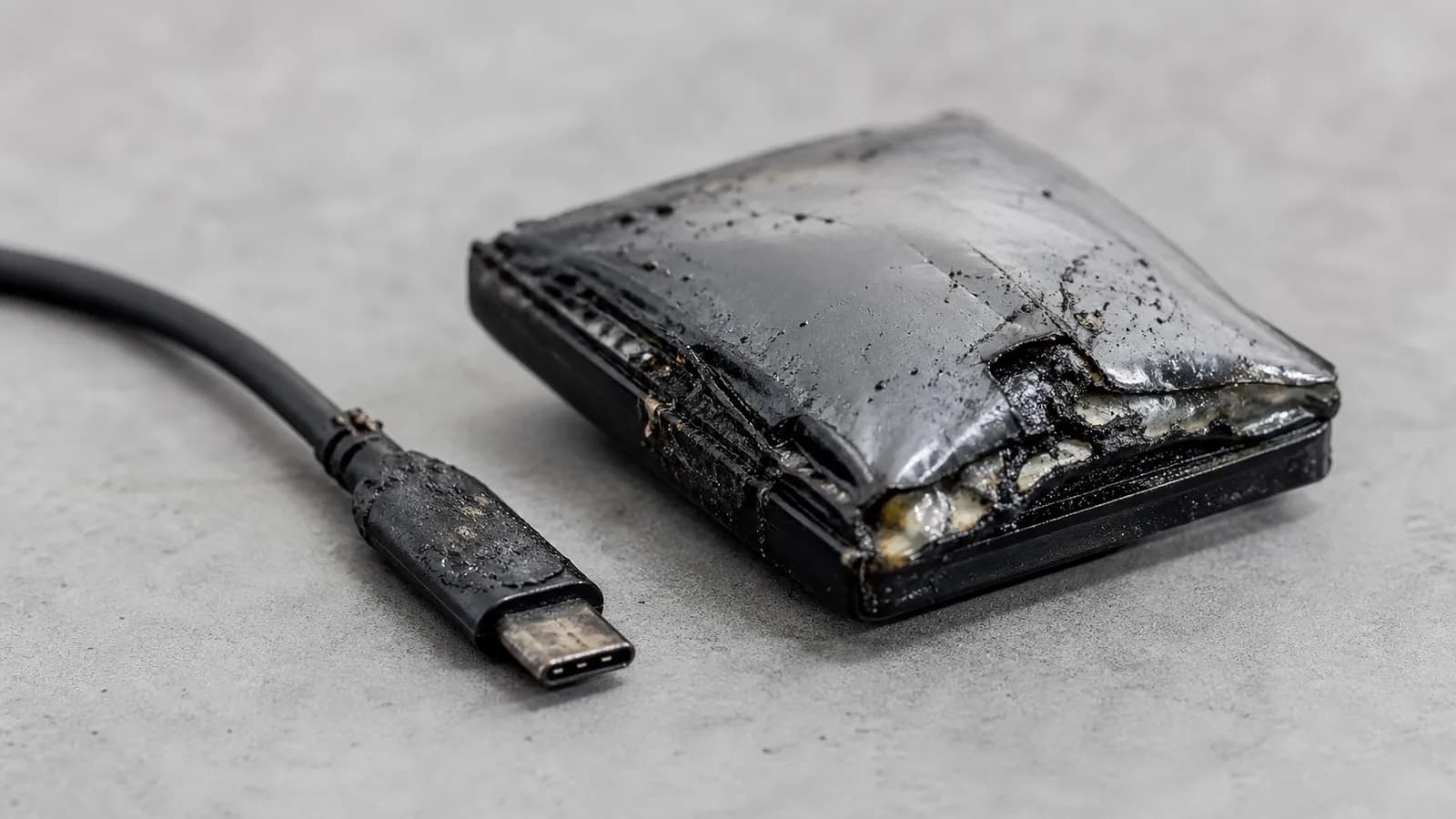
Something caught fire
Fire destroys its own evidence. Origin-and-cause investigation is urgent.
Read this
A child's product failed
Mandatory federal standards apply here. A violation is powerful evidence.
Read this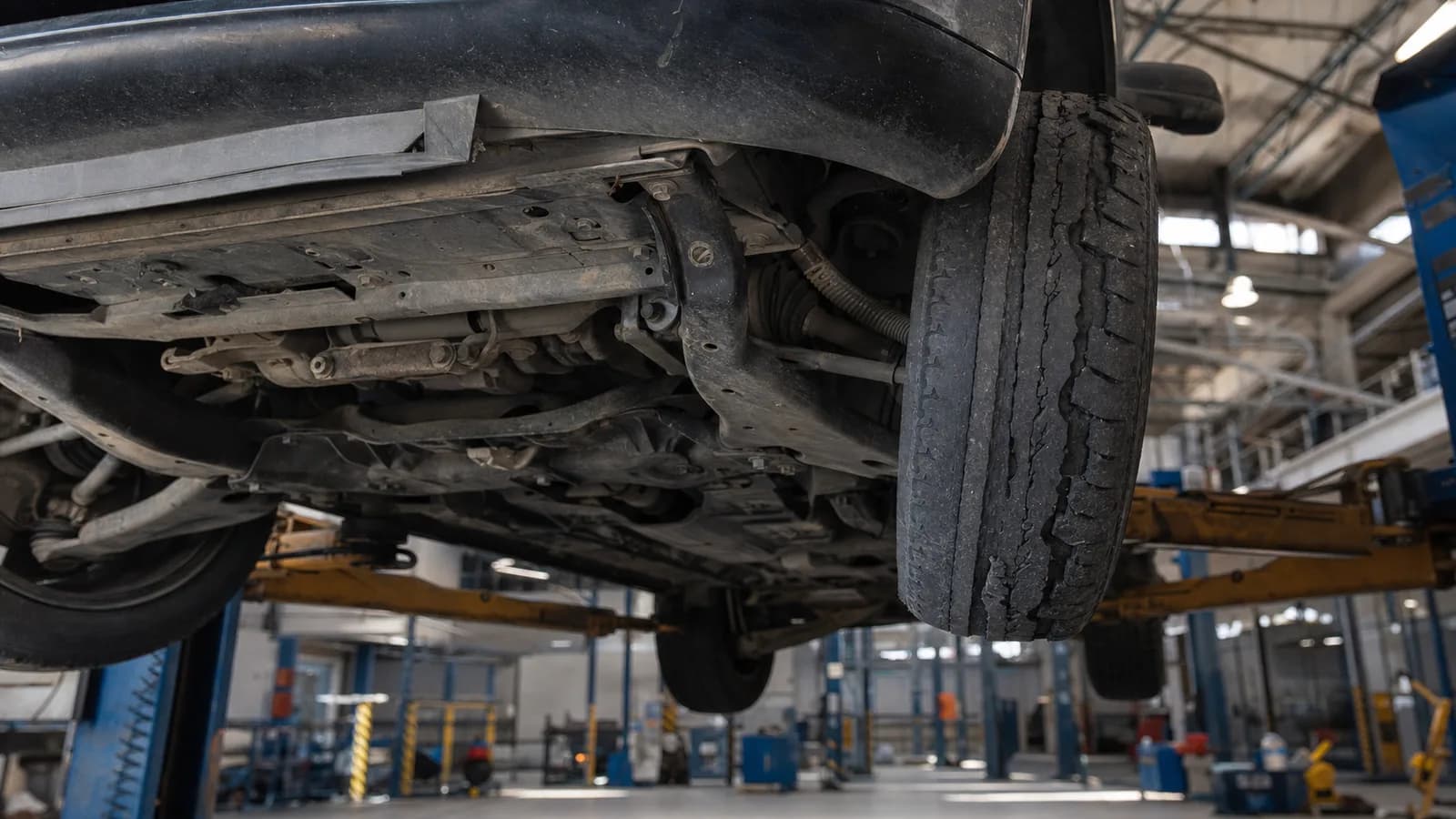
A vehicle part failed
The crash is one claim. The defect that made it worse is a separate, bigger one.
Read thisEvidence and research resources
See all resourcesEvidence checklist
The records, objects, photographs, and timelines worth preserving now.
Read thisPlain-language glossary
Medical, insurance, safety, and legal terms explained without the jargon.
Read thisOfficial sources
The government, court, safety, and medical sources used to check this site.
Read thisHave a lawyer look at this
A free review tells you whether the facts you have are the facts that matter. No cost, and no obligation to hire anyone.
Free · No obligation · About 90 seconds