What happened
A product injured a child
Products intended for children are regulated more heavily than almost anything else sold in the United States, with mandatory safety standards, third-party testing requirements, and tracking labels.
That regulatory structure creates something valuable for a claim: a clear, published benchmark that the product either met or didn't.
Published July 27, 2026 · Last reviewed July 30, 2026

The recurring hazard categories
These aren't hypothetical — each has an extensive recall and litigation history.
- Furniture and television tip-over, which has driven federal rulemaking and remains a leading cause of child injury deaths in the home
- Inclined sleepers, rock-and-play products, and unsafe infant sleep surfaces
- Crib and bassinet failures, including entrapment and structural collapse
- Car seat and booster failures, including harness and latch defects
- Strangulation on window covering cords
- Button battery ingestion, which causes severe internal burns within hours and is a genuine emergency
- Small parts and choking hazards, and high-powered magnet ingestion
- Stroller, carrier, and high chair failures
- Lead, phthalates, and other prohibited substances
Why the standards matter
Children's products must meet mandatory federal standards, be tested by an accredited third party, carry a children's product certificate, and bear tracking labels. Nothing comparable applies to most adult products.
A product that failed to meet an applicable mandatory standard is close to the cleanest evidence available in product liability, because the benchmark is published, objective, and set by the government rather than argued by an expert.
The tracking label also matters practically: it identifies the manufacturer, production date, and batch, which makes it far easier to establish which units are affected and whether other reports exist.
Deadlines are longer, evidence isn't
Many states extend the filing deadline for minors, often until some period after they turn 18, though this varies and a statute of repose can still apply. That's real protection and it's frequently used as a reason to wait, which is a mistake.
The product will be thrown away. The packaging will be recycled. The model will be discontinued and the retailer's purchase record will age out. None of that waits for a tolling statute.
Settlements involving minors also typically require court approval, which protects the child but takes time and structure. Plan for it.
What tends to make a claim worth pursuing
None of these is a guarantee. They are the facts an attorney will look for first when deciding whether to take a case like yours.
- You still have the product, packaging, and tracking label
- The product or a similar model has been recalled
- It failed to meet an applicable mandatory safety standard
- There are other reports of the same failure
- The child required emergency treatment or hospitalization
- You have the receipt or purchase record
Questions
It was a hand-me-down and I don't have the receipt.
Not fatal. The tracking label, model number, and manufacturer markings identify the unit, and recalls apply regardless of who bought it. The claim is about the product being defective, not about your having a receipt.
The company sent a free repair kit after the injury.
Keep everything — the kit, the letter, the packaging it came in. A post-injury remedy is evidence the manufacturer recognized the hazard. Don't install it on the product involved in the injury; that alters the evidence.
It was recalled before we bought it and we never knew.
That's common, since recall notification rates for children's products are poor. It doesn't hurt your claim — it establishes the manufacturer knew about the defect, and it may raise questions about whether the recall and the retailer's handling of it were adequate.
Read next
Other situations
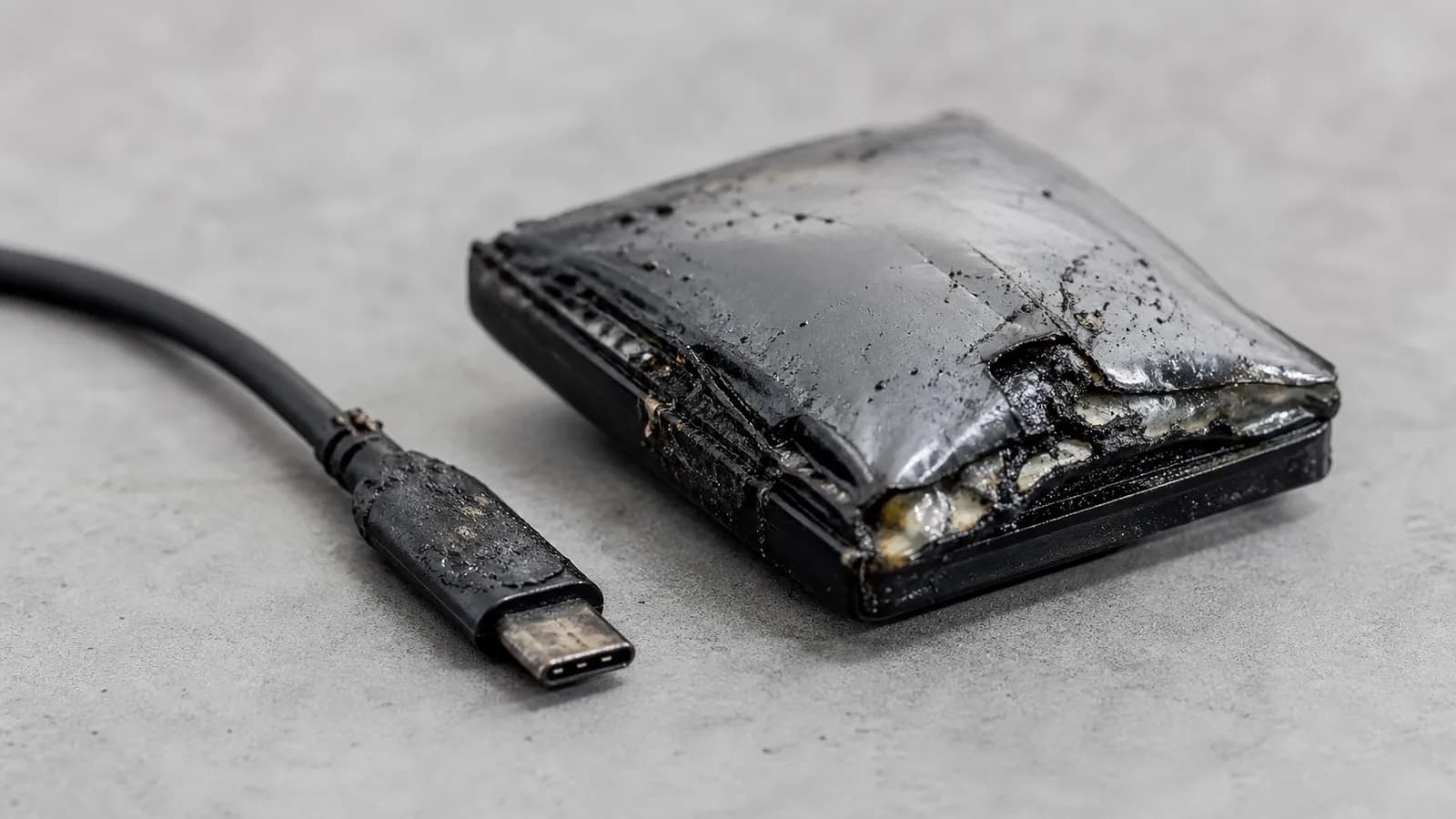
Something caught fire
Fire destroys its own evidence. Origin-and-cause investigation is urgent.
Read this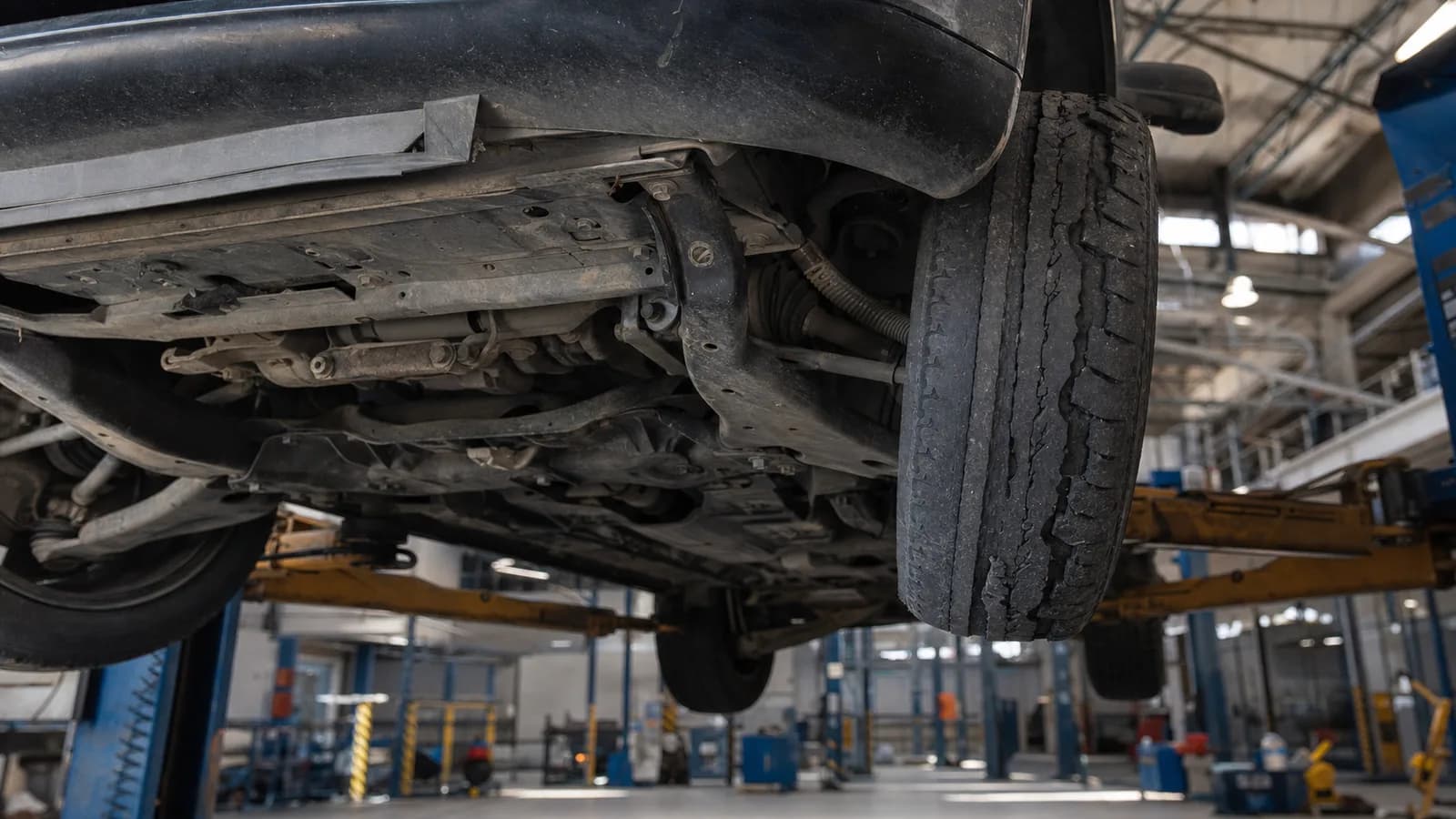
A vehicle part failed
The crash is one claim. The defect that made it worse is a separate, bigger one.
Read this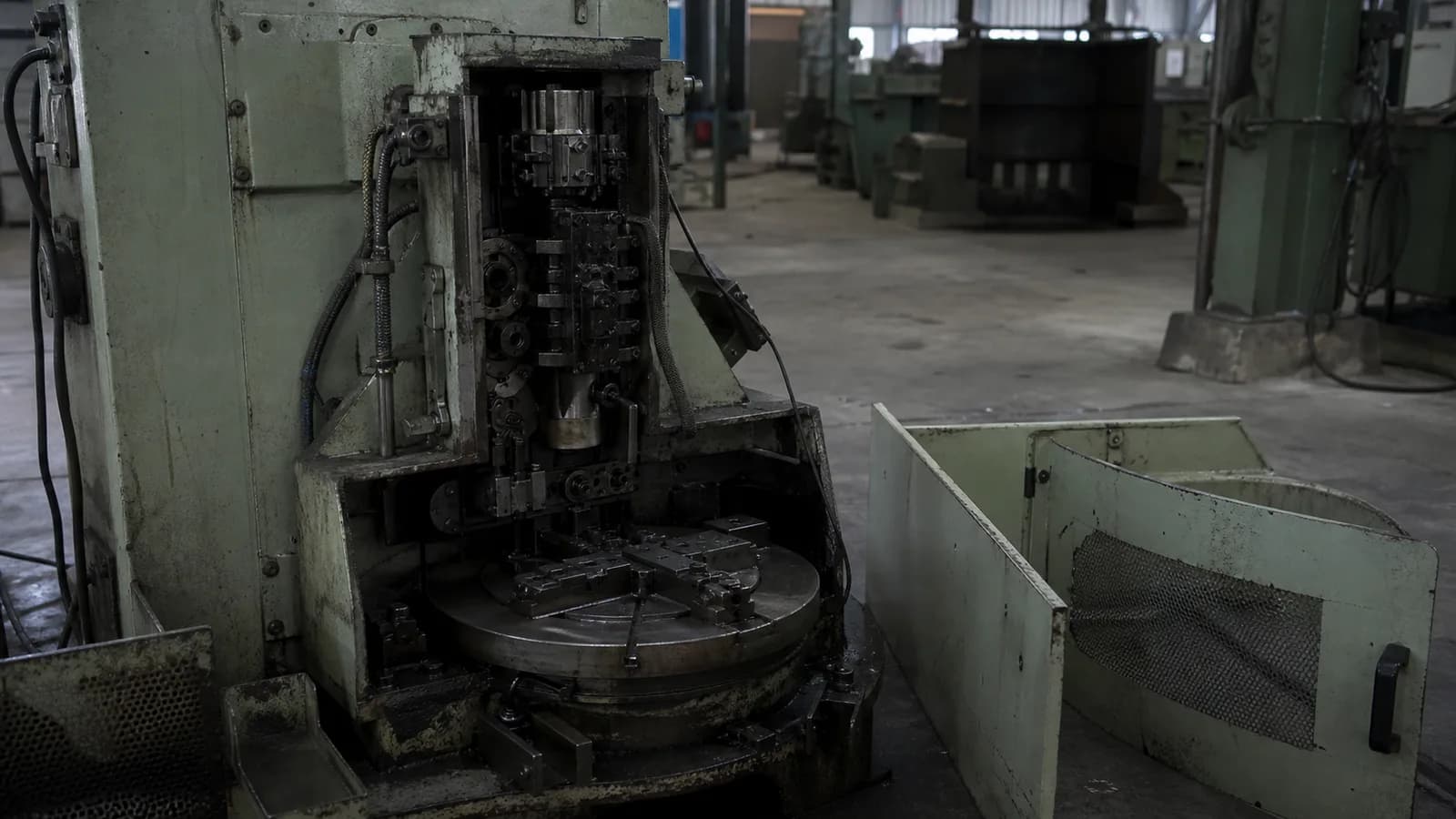
A tool or machine hurt me
At work, this is usually two claims — and the product one is the bigger one.
Read thisEvidence and research resources
See all resourcesEvidence checklist
The records, objects, photographs, and timelines worth preserving now.
Read thisPlain-language glossary
Medical, insurance, safety, and legal terms explained without the jargon.
Read thisOfficial sources
The government, court, safety, and medical sources used to check this site.
Read thisHave a lawyer look at this
A free review tells you whether the facts you have are the facts that matter. No cost, and no obligation to hire anyone.
Free · No obligation · About 90 seconds