Guide
Manufacturing, design, and warning defects
Every product claim rests on at least one of three theories, and they aren't interchangeable. They require different evidence, different experts, and different arguments — and cases are often pleaded on more than one.
Published July 27, 2026 · Last reviewed July 30, 2026
Manufacturing defect — this one came out wrong
The design was fine; this particular unit wasn't built to it. A weld that wasn't made, a contaminant in the material, a component installed backward, a batch that missed a step.
This is the most straightforward theory, because the benchmark is the manufacturer's own specification. You're not arguing the design should have been different — you're showing this unit departed from what the company itself intended.
Proof comes from examining the product against the specification, which is why preservation matters so much here. Evidence that other units from the same lot failed the same way is strong corroboration.
| Theory | What went wrong | What you have to show |
|---|---|---|
| Manufacturing | This unit departed from its own spec | The product against the manufacturer's specification |
| Design | Every unit shares the flaw | A safer alternative design that was feasible |
| Failure to warn | A non-obvious hazard wasn't communicated | They knew, the warning was inadequate, and it mattered |
Design defect — every one of them is dangerous
The product was built exactly as designed and the design itself is unreasonably dangerous. Every unit shares the flaw, which makes these the largest cases and the hardest fought.
Courts apply two main tests, and which one your state uses matters. Under the risk-utility test, the question is whether the design's risks outweigh its benefits, usually turning on whether a reasonable alternative design existed that was safer, feasible, and not prohibitively costly. Under the consumer expectations test, the question is whether the product was more dangerous than an ordinary consumer would expect.
The feasible alternative design is usually the heart of it, and it's an engineering argument: someone else was already doing it safer, or the company's own engineers proposed it and were overruled. Internal documents in these cases are often decisive.
Failure to warn — you weren't told
The product may be reasonably designed and correctly built, but carries a non-obvious hazard that wasn't adequately communicated.
The questions are whether the manufacturer knew or should have known about the risk, whether the warning was adequate in content and prominence, and whether an adequate warning would have changed what happened. Buried text in a manual nobody reads is frequently held inadequate where the hazard is serious and the warning could have been placed on the product itself.
There's also a post-sale duty in many states: a manufacturer that learns of a hazard after selling a product may have an obligation to warn owners, which is what recall campaigns partly reflect.
What strict liability changes
Under strict liability you generally don't have to prove the manufacturer was careless — only that the product was defective, that the defect existed when it left their control, and that it caused your injury.
That's meaningfully easier than negligence, and it's the doctrinal reason product cases are viable against companies whose internal conduct you could never otherwise reconstruct. Negligence and breach of warranty claims are usually pleaded alongside it.
The main defenses are that the product was substantially altered after sale, that it was misused in a way that wasn't foreseeable, and comparative fault. Note the word foreseeable — misuse a manufacturer should have anticipated is generally their design problem, not your defense to overcome.
Questions
How do I know which type I have?
Often you don't at the outset, and you don't need to. Cases are frequently pleaded on multiple theories and narrowed as expert examination reveals what actually failed. That's a normal part of the process.
I modified the product. Does that end it?
Substantial alteration is a real defense, but its scope is narrower than manufacturers argue. The modification has to be substantial and has to have caused the injury. Ordinary adjustments, and modifications the manufacturer should have foreseen, usually don't defeat a claim.
The product met all government standards.
Compliance is evidence in their favor, not a shield. Standards are generally minimums, and a product can satisfy them and still be defectively designed. There are exceptions where federal law preempts state claims — notably in some medical device and vehicle contexts — which is a specific question worth asking about.
Situations this applies to
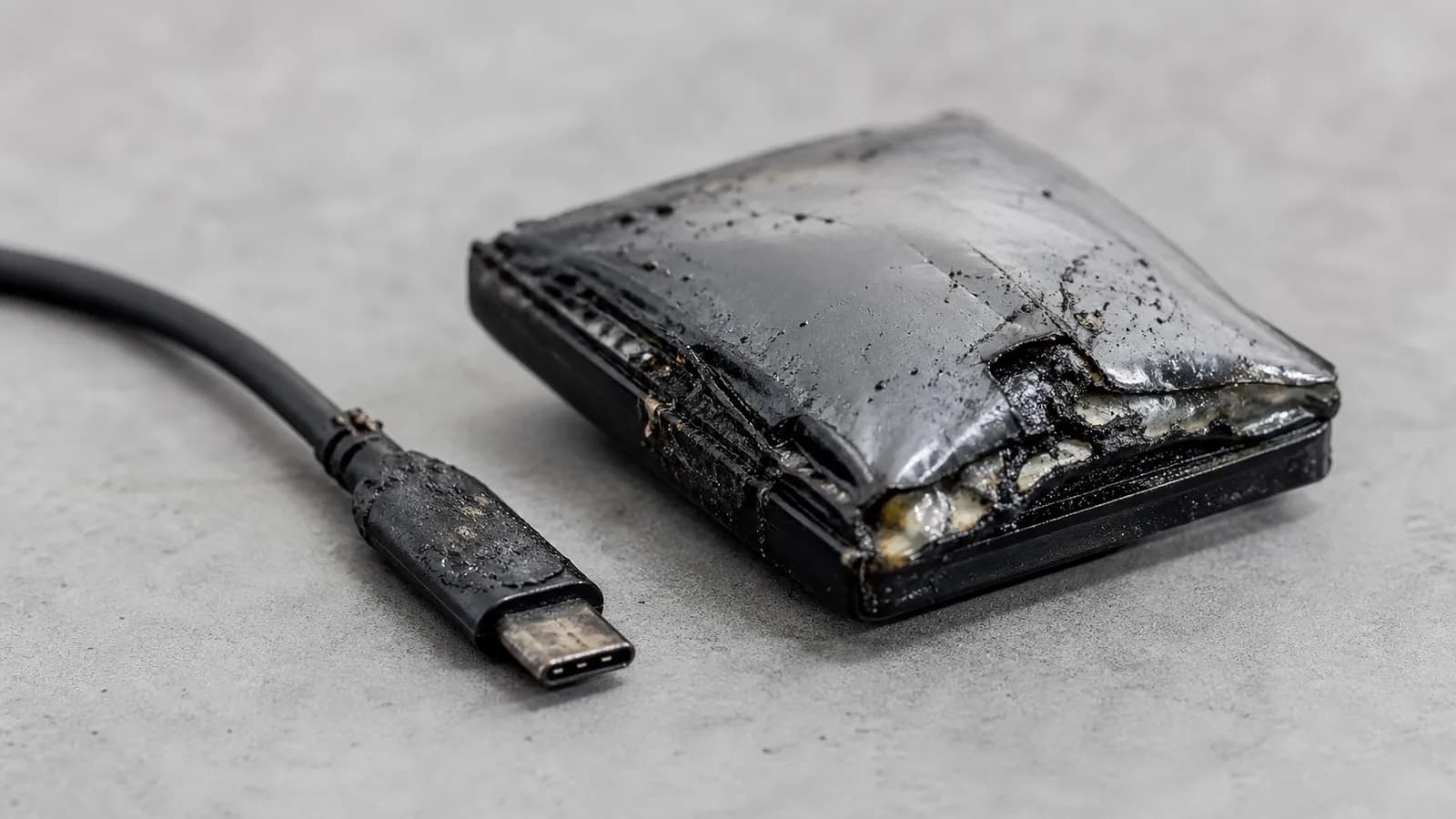
Something caught fire
Fire destroys its own evidence. Origin-and-cause investigation is urgent.
Read this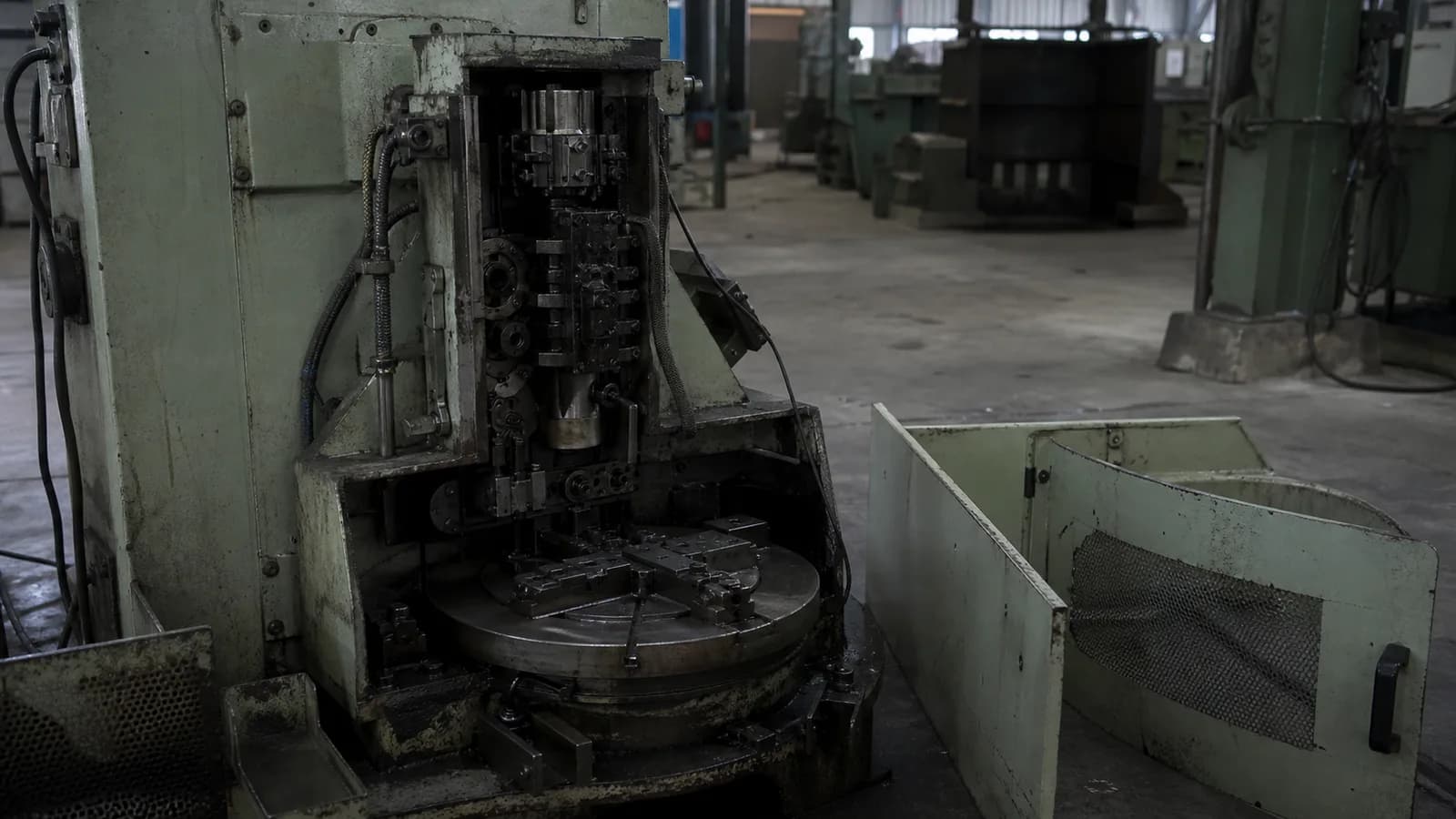
A tool or machine hurt me
At work, this is usually two claims — and the product one is the bigger one.
Read this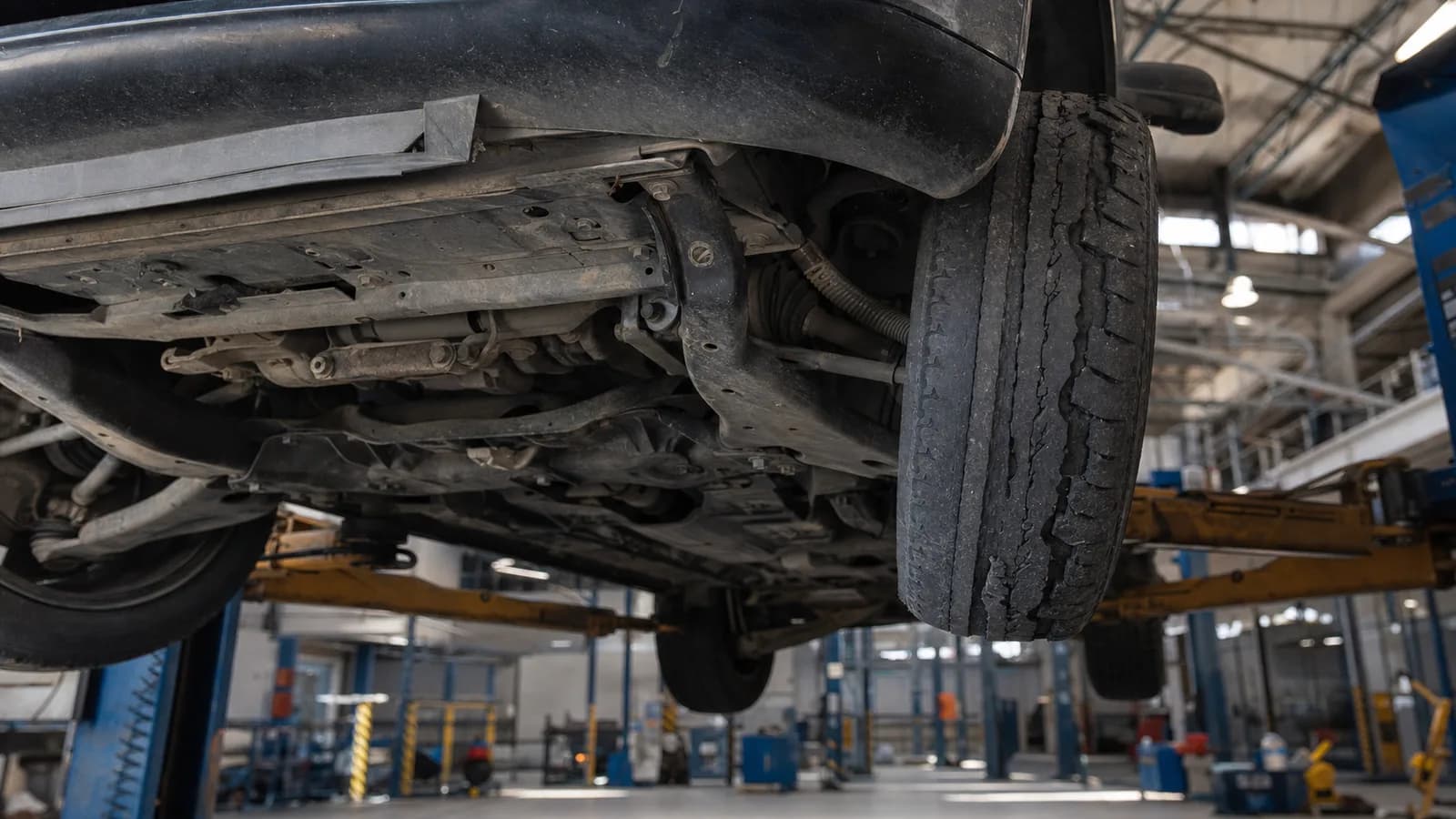
A vehicle part failed
The crash is one claim. The defect that made it worse is a separate, bigger one.
Read this
A child's product failed
Mandatory federal standards apply here. A violation is powerful evidence.
Read thisRelated guides
Evidence and research resources
See all resourcesEvidence checklist
The records, objects, photographs, and timelines worth preserving now.
Read thisPlain-language glossary
Medical, insurance, safety, and legal terms explained without the jargon.
Read thisOfficial sources
The government, court, safety, and medical sources used to check this site.
Read thisGet a straight answer about your case
Reading only gets you so far. A free review puts your actual facts in front of an attorney who handles these claims.
Free · No obligation · About 90 seconds