Product liability
Whatever hurt you — don't send it back.
The manufacturer will ask for it. Their letter will be polite and it will mention testing. The product is the case, and it does not reliably come back.
Free · No obligation · About 90 seconds
3
Kinds of defect: manufacturing, design, and failure to warn — each proven differently
Product liability doctrine
Strict
Most states apply strict liability, meaning you don't have to prove the manufacturer was negligent
Keep it
Preserving the product is the single most decisive thing you can do for a product claim
How these cases are built
Product liability is different from most injury law in a way that works strongly in your favor: in most states you don't have to prove anyone was careless. You have to prove the product was defective, that the defect existed when it left the manufacturer's hands, and that it caused your injury. That's strict liability, and it exists because a company that puts a product into the market is better positioned than you are to catch its flaws.
In exchange for that lower bar, these cases are technical. They turn on engineering, on testing, on internal documents about what a company knew and when, and above all on physical evidence — the actual product that failed.
Which is why the most consequential moment in most product cases happens within days of the injury, before anyone has spoken to a lawyer. The manufacturer's customer service department calls. They're sympathetic. They offer a refund, a replacement, and a prepaid shipping label so they can investigate. It sounds like the responsible thing to do.
Send it and you have given away the only copy of the evidence. It does not reliably come back, and when it does it has frequently been disassembled. Keep the product. Keep the packaging, the manual, the receipt, and the serial number. That single decision decides more product cases than anything a lawyer does afterward.
Start with what happened
The product category shapes the defect theory and the deadlines. Find the closest match.
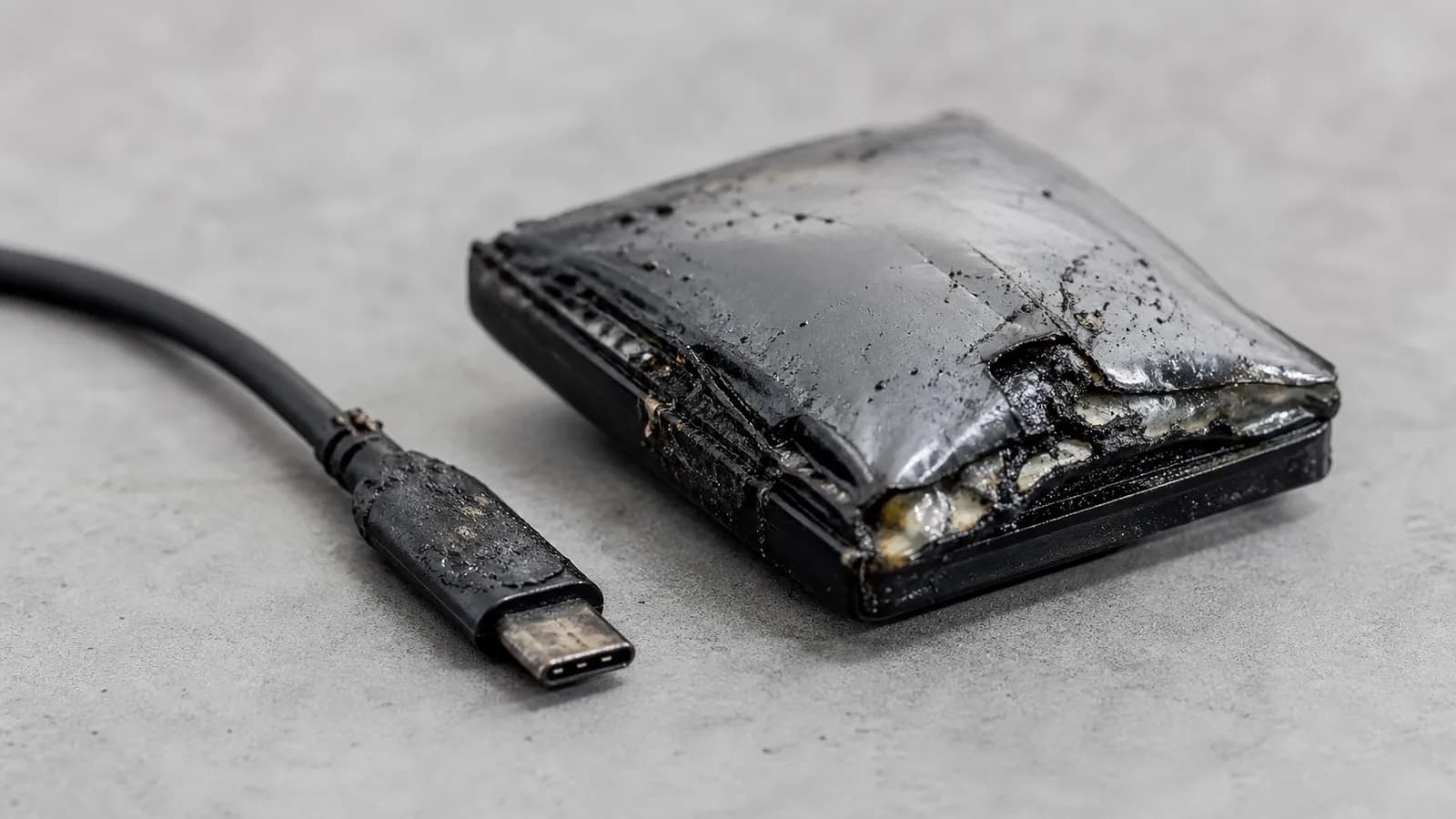
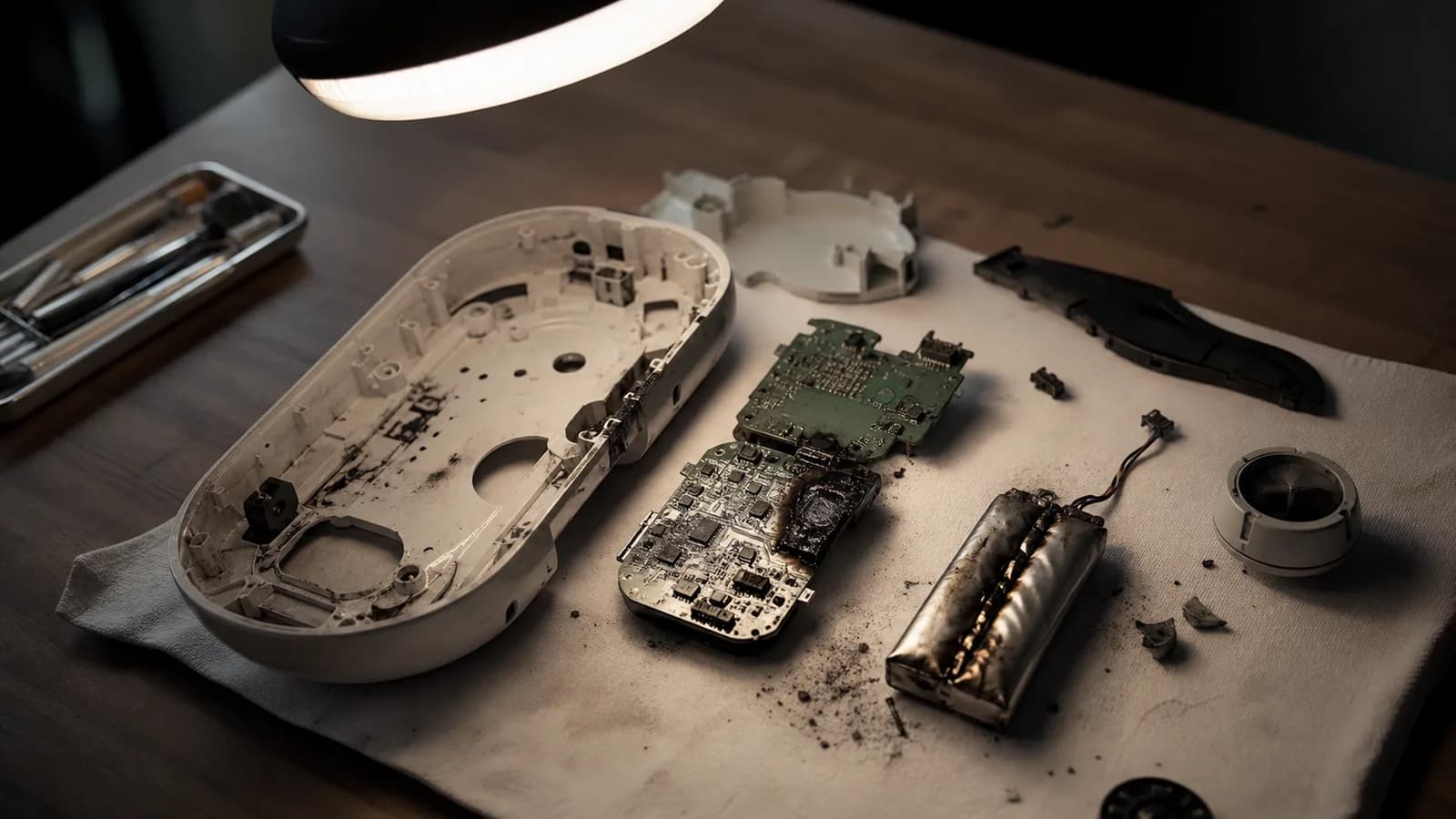
Something caught fire
Fire destroys its own evidence. Origin-and-cause investigation is urgent.
Read this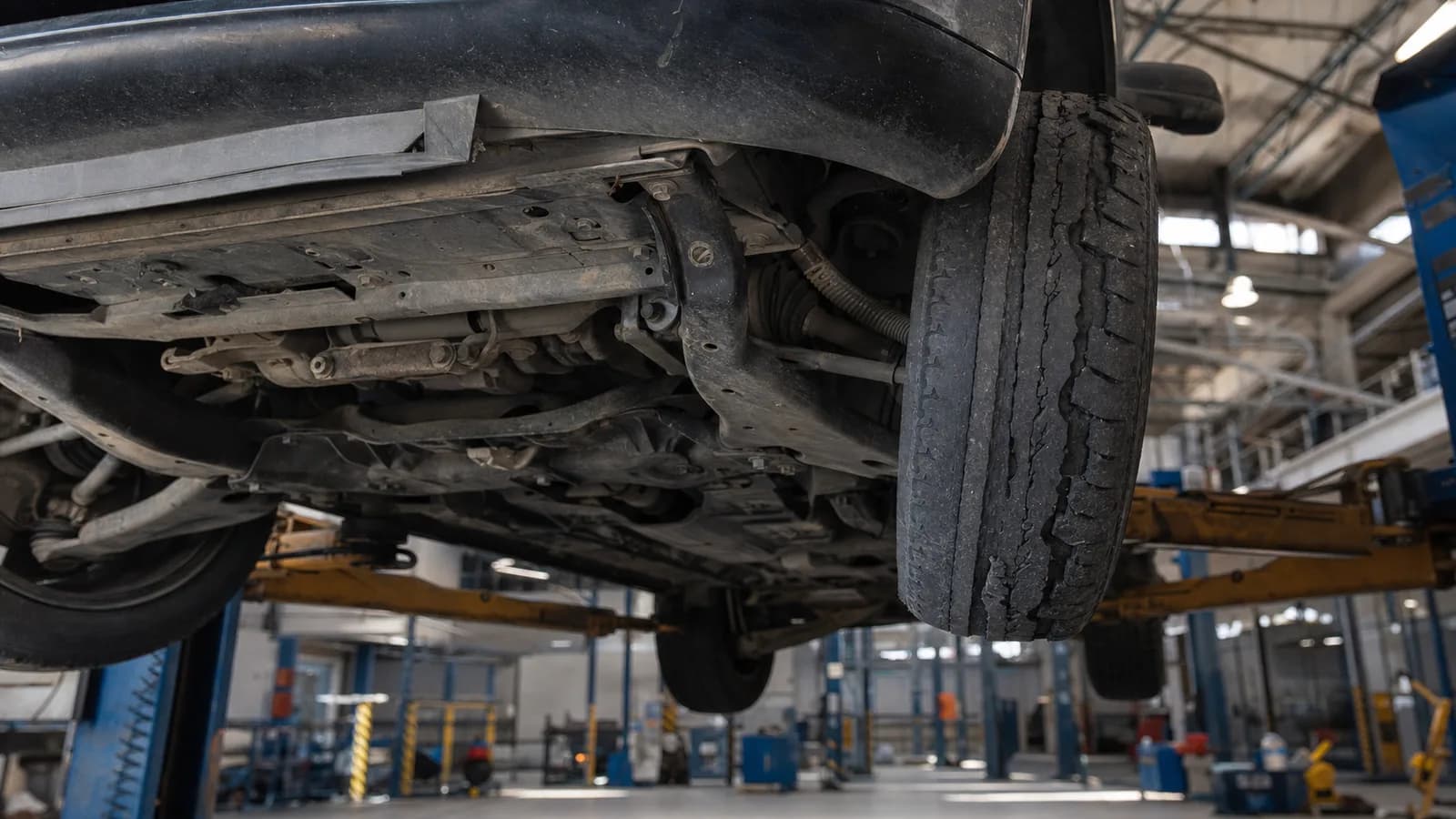
A vehicle part failed
The crash is one claim. The defect that made it worse is a separate, bigger one.
Read this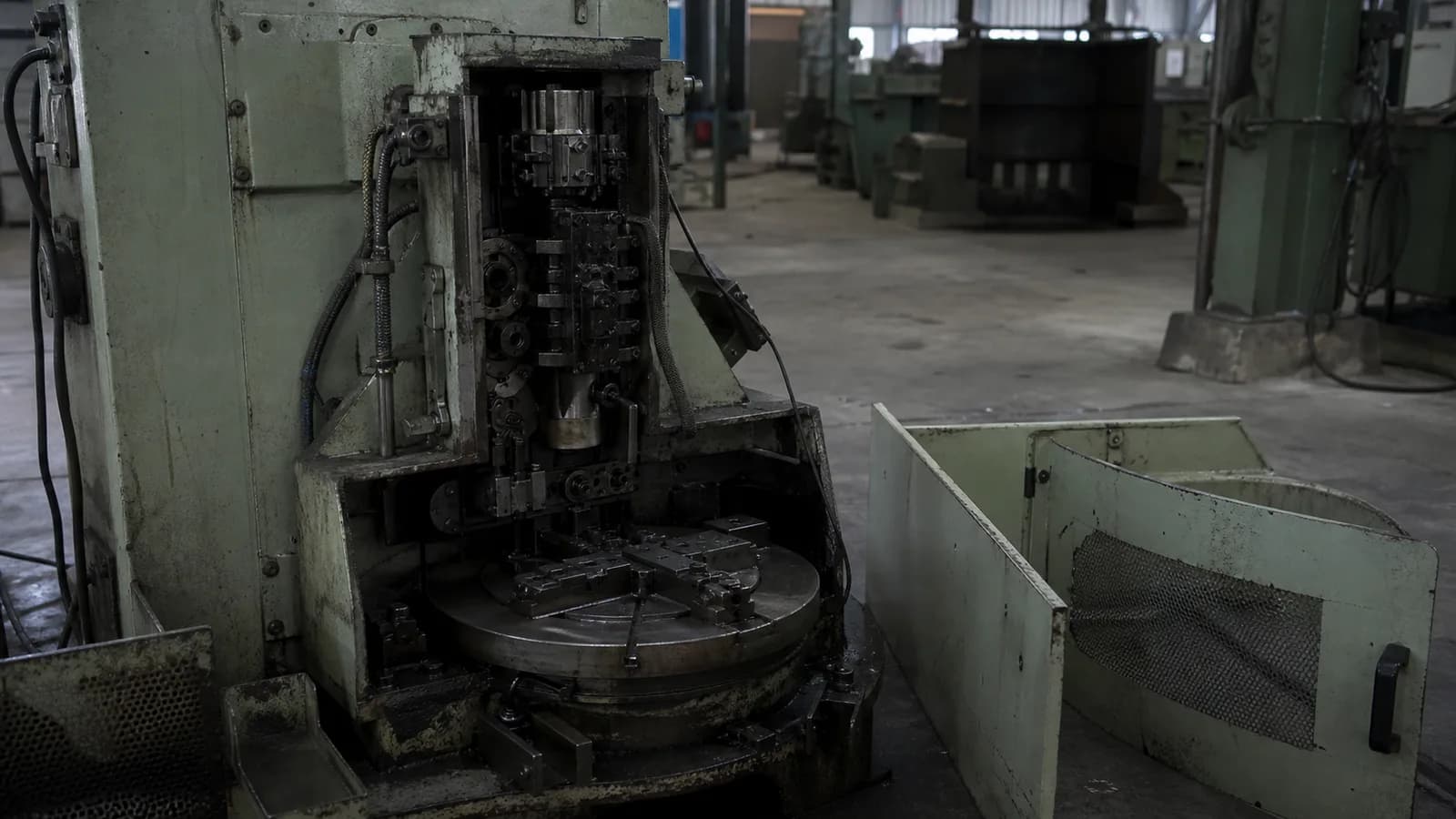
A tool or machine hurt me
At work, this is usually two claims — and the product one is the bigger one.
Read this
A child's product failed
Mandatory federal standards apply here. A violation is powerful evidence.
Read thisBefore you talk to anyone
Read the first one today. The rest can wait a week.
Preserving the product
Why the manufacturer wants it back, and what happens if you send it.
Read thisThe three kinds of defect
Three theories, proven three different ways. Which you have shapes everything.
Read thisRecalls
Helpful evidence. Not an admission, and not a substitute for a claim.
Read thisDeadlines and repose
A statute of repose can bar a claim before the injury even occurred.
Read thisEvidence and research resources
See all resourcesEvidence checklist
The records, objects, photographs, and timelines worth preserving now.
Read thisPlain-language glossary
Medical, insurance, safety, and legal terms explained without the jargon.
Read thisOfficial sources
The government, court, safety, and medical sources used to check this site.
Read thisCommon questions
Is this a law firm?
No. Defect Injury is a free service that connects people to independent attorneys handling product liability claims. We don't practice law, don't give legal advice, and nobody here is your lawyer.
What does it cost?
Nothing. We're paid a flat advertising fee by the firms we refer to. It doesn't scale with your case and never comes out of a recovery.
The manufacturer wants the product back. What do I do?
Keep it. Politely decline, in writing if you can. Any legitimate examination can happen under an agreed protocol with both sides present. Once the product leaves your possession you've lost control of the central evidence in the case.
There's no recall. Do I still have a claim?
Probably worth asking. Most defective products are never recalled — recalls require a manufacturer to report and an agency to act, and most defects never reach that threshold. The claim depends on the product being defective, not on an agency having said so.
Will you sell my information?
We share your submission with the law firm we refer you to and the providers who transmit and store it. We don't sell it to marketing lists or data brokers, and you can revoke consent to be contacted at any time.
Find out if you have a case
Tell us what happened. If your situation looks like something a lawyer should see, we connect you with an independent attorney who handles this type of claim. If it doesn't, we'll say so.
Free · No obligation · About 90 seconds